Mind Diet

Mind Diet
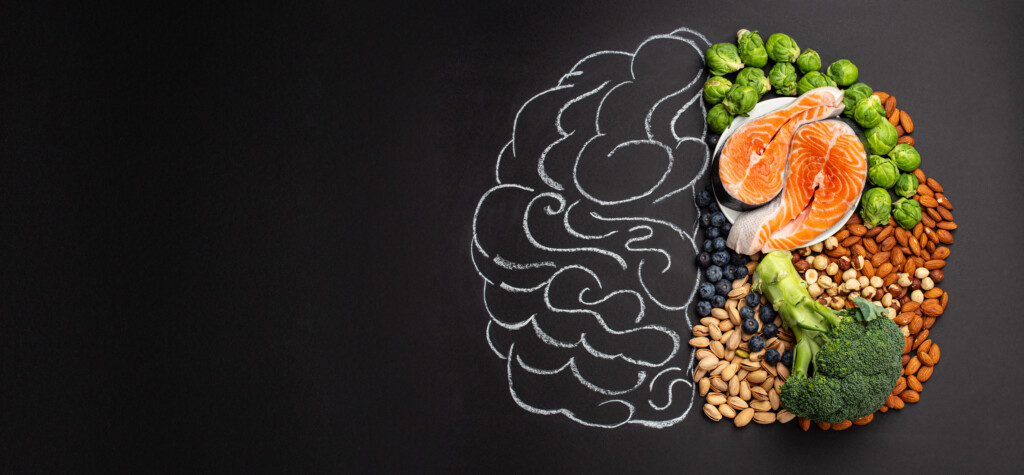
Mind Diet, food for brain health and good memory: fresh salmon, vegetables, nuts, berries on black background. Foods to boost brain power, top view, copy space

MIND Diet: Brain-Healthy Eating From Mediterranean and DASH

This diet is a brain-focused eating plan. MIND stands for Mediterranean-DASH Intervention for Neurodegenerative Delay. Researchers at Rush University built it from two patterns you already cover on this site: the Mediterranean diet and the DASH diet. The goal is cognitive health—slowing decline and lowering the risk of Alzheimer’s disease—by scoring how often you eat a short list of brain-healthy foods and how often you limit five less helpful groups.

A MIND diet food list is simple. Eat more leafy greens, other vegetables, berries, nuts, olive oil, whole grains, beans, fish, and poultry. Use wine only if your clinician agrees, and only in small amounts. Limit red meat, butter and stick margarine, cheese, fried food, and pastries or sweets. People who follow the pattern closely in observational studies tend to have better memory scores later in life. It is not a drug and it does not replace medical care.

How to follow a MIND diet meal plan

Aim for leafy greens most days and another vegetable daily. Add berries at least twice a week. Choose olive oil as the main fat. Eat fish about once a week, beans most days, and poultry instead of frequent red meat. Snack on a small handful of nuts. A practical day: oatmeal with blueberries; a salad with beans, olive oil, and leftover chicken; salmon or a bean stew with farro and greens. That plate also fits many health diets and a flexitarian diet if you skip meat some nights.

Watch portions if weight change is a goal. Nuts, oil, and cheese add calories quickly. Pair this diet with walking, sleep, and blood-pressure care—the same habits DASH already targets. If you take blood thinners or have kidney disease, ask before you jump leafy-green servings or change how much fish you eat.

Trusted MIND Diet and Brain-Health Resources

  1. Rush University: MIND Diet and Alzheimer’s Risk
  2. Rush University: MIND Diet and Cognitive Decline
  3. National Institute on Aging: Alzheimer’s and Dementia
  4. NIA: Diet and Prevention of Alzheimer’s Disease
  5. NHLBI: DASH Eating Plan
  6. Mayo Clinic: DASH Diet
  7. Mayo Clinic: Mediterranean Diet
  8. Mayo Clinic: Alzheimer’s Prevention
  9. Harvard Nutrition Source: MIND Diet Review
  10. Harvard: Healthy Eating Plate
  11. Alzheimer’s Association
  12. Alzheimer’s Association: Prevention
  13. U.S. News: MIND Diet Profile
  14. Oldways: Mediterranean Diet
  15. American Heart Association: Mediterranean Diet
  16. Academy of Nutrition and Dietetics
  17. MedlinePlus: Alzheimer’s Disease
  18. Healthline: MIND Diet
  19. Medical News Today: MIND Diet
  20. EatingWell: MIND Diet Beginner’s Guide

Shop MIND Diet Products

Affiliate disclosure: Some links in this section go to commercial sites. If you buy through a tagged URL, this directory may earn a commission at no extra cost to you. Educational links above are not affiliate offers. Cookbooks and meal kits can support the pattern; they do not treat dementia.MIND diet cookbooks and brain-health guides

MIND diet cookbooks and brain-health guides

Meal kits that fit leafy greens, fish, and olive oil

MIND pantry staples

Programs and tools

Note: The MIND diet is a research-based eating pattern for brain health. It does not diagnose or treat Alzheimer’s disease. Talk with a clinician before large diet changes, especially if you take medicine that interacts with vitamin K, potassium, or fish oil.

Every Day Foods for a Healthy Lifestyle

Every Day Foods That Must be Eaten to Stay Healthy.

Every Day Foods
Alison Stevens

Figuring what to eat everyday is a challenge. Some foods are good for you, but aren’t necessarily a great addition to your diet if you’re eating it every single day. Eating well is critical to maintain a balanced diet. Therefore, let’s look at some of the great foods that you must eat every day as part of a healthy lifestyle.

Yogurt

Yogurt is full of nutrients. A great source of vitamin A, B and E anf minerals. Additionally it has a high content of proteins and may promote good heart and bone condition. Add it to your breakfast or use it as a dessert – it tastes good and keeps your gut and stomach healthy.

Spinach

It is full of iron, calcium and vitamins. Because it is high in fiber, it helps digest other foods. Also known to provide nutrients that aid in the fight against certain cancers. Eat it in salads, mix it with fruits, or steam it. It goes well with almost any kind of meal.

Berries, Every Day Foods that taste great too

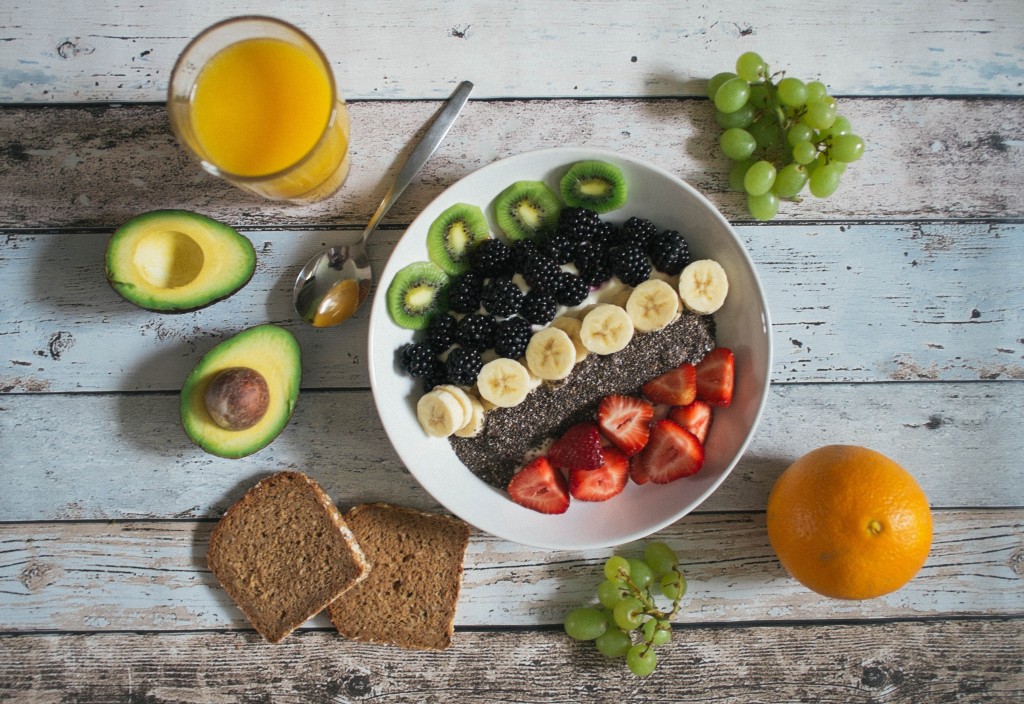
Berries are considered superfoods in many contexts, and since there are so many different types, it’s easy to find which ones fit easily into your diet. You can experiment with strawberries, blueberries, blackberries and raspberries, using them as snacks throughout the day, breakfast foods in a smoothie or with yogurt, or even after a healthy dessert in the evening.

Nuts

Unless you’re allergic to nuts, a small handful of them every day can help to boost your overall wellness. Almonds, walnuts and peanuts are some of the most common nuts, and are full of goodness. Nuts are a great option for vegans who may struggle otherwise to get good fats and a well-balanced amount of nutrition. Nuts can help you to lose weight, maintain a health weight, and lower your risk of heart disease.

Avocado

Despite its high calories, half an avocado a day will keep you full  longer and provide plenty fiber. Always wash avocados before cutting into them or peeling them. This fruit has plenty of Vitamin K, which helps to promote better bone health.

These every day foods will maintain your health for years to come, Eat them!


Artificial Sweeteners What You Need to Know

Artificial Sweeteners and The Law of Unintended Consequences.

Artificial Sweeteners
rawpixel

Over the past 30 years scientists developed a large variety of artificial sweeteners. Their purpose was to to reduce excessive sugar consumption and diminish the numbers of obese people.

Since their introduction, obesity has skyrocketed. Alarming numbers of people now are diabetic even at an early age. Not to mention links to cancer found on some of those early sweeteners.

At the time it was believed to be a way for people to easily manage excess weight. The idea was that less sugar means less calories, and of course less weight gain. This, however was not the case. After 30 years of research, the results are completely different.

Here is what you need to know about artificial sweeteners and their effects.

Artificial Sweeteners and Their Effects on Gut Flora

Your gut has a large colony of microorganisms inside. And when they eat the things that you eat, there are good and bad effects as a result. One easy example: acidic foods. Many times these cause over populations of unhealthy destructive bacteria. Studies have shown that these sweeteners cause major changes to your gut flora. This, under some circumstances, can be really bad. Hence, there is a lot of information now that demonstrates that sweeteners don’t have much of an effect on weight loss.

How Artificial Sweeteners Affect Children’s Lives

Research has found that most overweight children simply eat the wrong kind of foods and large portions. Additionally, diet soda, originally meant to replace some of their sugar intake. Now is their main drink since most of them think they can drink as much diet soda as they want. They do not lose weight at all. For that to happen, changes in their eating habits must take place. Unfortunately, children are enabled by their parents. Mostly out of lack of knowledge.

Unintended Consequences of Using Artificial Sweeteners

Artificial sweeteners have unintended consequence for its users. When the brain senses something sweet, receptors tell it that it is about to receive food. The brain signals the pancreas to make insulin. That breaks down sugars. The body then absorbs them. Sweeteners however, are not sugars, and insulin is not needed.

Tests of overweight people, showed their bodies were producing insulin continuously. This is the beginning of diabetes. Your body no longer properly responds to sugars entering your blood.

Finally, what seemed to be a great idea has left a sequel of millions of people struggling to regain their Health and Wellness.

Sugar substitutes

Self Improvement Starts with Self Reflection 


Report Topics

1. Identifying Your Need for Self-Improvement
2. Why Self Reflection?
3. Benefits of Self Reflection for Self Improvement
4. How to Get Started
5. Make Time to Self Reflect Every Day

Self Improvement free Report


[purchase_link id=”2655″ style=”button” color=”blue” text=”Download Here”]


Reducing Hunger Levels, Feel Better Fast

Reducing Hunger Levels Will Help You Lose Weight and Feel Happier.

Reduce Your Hunger Levels
Alex Iby

Whether you’re trying to lose weight or not, reducing hunger levels will help you cope with the discomfort. Hunger pains are annoying and distracting.

Here are some quick tips to help reduce hunger levels.

Eat slowly to satisfy your hunger

Eating quickly makes you feel like you’re still hungry when you’re already full. This is because digestion takes time to be felt. This tricks your mind into thinking that you haven’t actually had enough to eat yet. Slowing down the pace of the meal will give your body time  to send the signal that you are full before you begin over eating.

Drink often to remain hydrated

If you’ve had a large meal but still feel like something is missing, it’s normally water or other liquids. Feelings of dehydration are often be mistaken for feelings of hunger. That often pushing people to eat more than they should. Rather than trying to get rid of these feelings by eating more, drink plenty of water throughout the day so that when you do feel hunger, it really is hunger.

Get enough sleep

Lack of sleep leads to feeling hungrier. Try to sleep for a minimum of 7 hours every night. This amount of sleep should help you to curb any unwanted feelings of hunger.

Avoid junk food, it only adds sugar, salt and very little nutrition

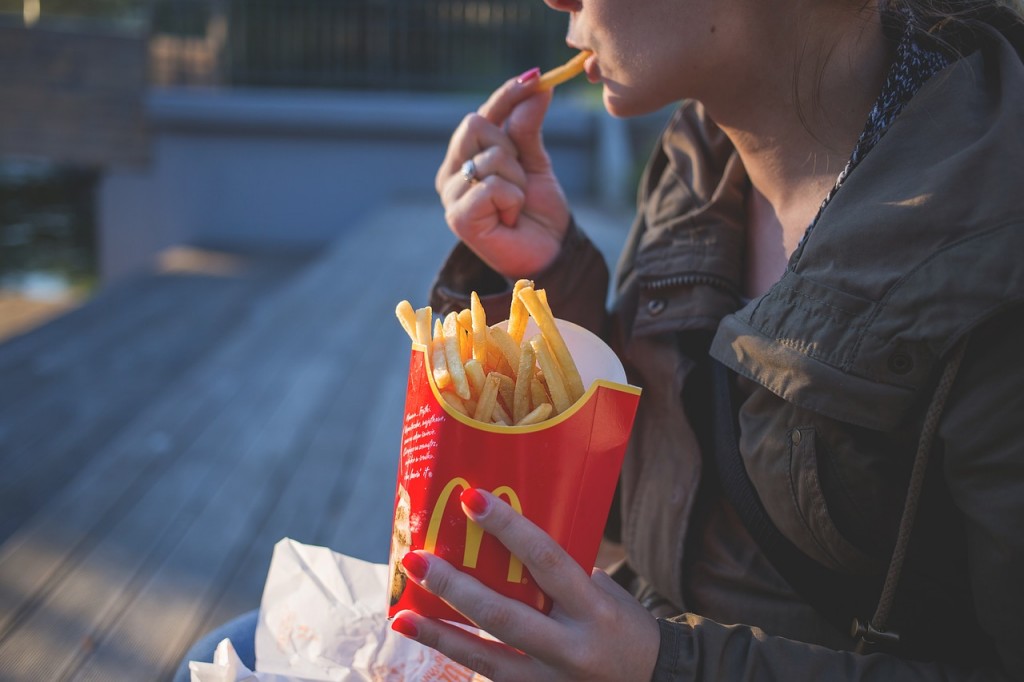
The more junk food you eat, the more junk food you will crave. Fatty and sugary foods also do not provide the nutrients that bodies need most. Additionally, you will mistake your body’s cry for nutrition with feelings of hunger. Hence, eating a healthier diet will help you feel better.

If you must have sweet snacks, eat dark chocolate instead

People who eat sugary snacks at the end of a long day must consider switching their snacks of choice for dark chocolate instead. Dark chocolate will improve heart health and provide antioxidants to your body. Furthermore, it will also help in reducing hunger levels.

Choose proteins over carbohydrates

Adding protein into your diet will prevent you from feeling hungry throughout the day. Carbohydrates digest fast. Hence they make you feel full quickly. However they leave you feeling tired and craving even more food as soon as they are digested. Proteins, on the other hand maintain energy levels higher much longer.

Reducing hunger levels leads to better health and fitness. Try It Now!

Sleep Habits

[purchase_link id=”2571″ style=”button” color=”blue” text=”Read this E Book”]

Appetite Control, The Road to Wellness

Appetite Control and the Benefits of Exercise.

appetite control
Robin Stickel

If you are struggling keeping your appetite and hunger under control, it might not just be about what you are eating or when, but your physical activity. Contrary to what many people think, exercise lessens cravings and hunger.  Additionally, the sense of wellness achieved by exercising, leads to better appetite control because there is an incentive to remain fit. Learning to control hunger will require having a plan and sticking to it.

Exercise, The Food Intake Regulator.

Exercise regulates big or small appetites. For people who have little hunger, working out triggers their appetite which results in improved nutrient balance. For over eaters, exercising more will increase their desire to be healthier. This will result in a desire to search for healthy diets and follow them.

Changing The Outlook  on Life.

Another big reason exercise is helpful in curbing food cravings is a change in the way people begin to see themselves. Leading an active life, going for walks, working out triggers the desire to treat their bodies better. The desire to eat healthy food instead of the usual empty calorie snacks changes their outlook. It sets the path for a long term active lifestyle.

Improves Your Overall Well Being

A person’s mental health and well being are improved by exercise. In effect, it continues to help when there is a need to control appetite and cravings. For those who feel hungrier or have cravings when stressed or anxious, exercising will certainly diminish the feelings. The fact it is that stress hormone levels rising make them want instant gratification. If left unchecked, it will increase their appetite because they will associate stress with more food. Being active and exercising regularly will improve the sense of well being and  do away with the need to over eat.

Appetite control and exercise are linked together. Use them to your advantage!

Check this useful e-book for more information on the relationship of exercise and proper eating.

[purchase_link id=”3102″ style=”button” color=”blue” text=”Download Now”]


Fat Loss Diet Myths You Should Stay Away From

Fat Loss Diet Myths

Fat Loss Diet Myths
Abhishek Sanwa Limbu

Unfortunately, there are multiple fat loss diet myths that keep many from approaching their weight loss goals correctly. These myths people follow simply do not work, and keep people form losing weight.

These four dieting myths pointed below will help you understand what you need to do to lose weight. Understanding the truth behind these myths will help you to make lifestyle changes that will  keep your weight off for good.

Myth #1.- Liquid Diets Work

People tout the benefits of liquid diets. They talk about how they cleanse your body, and how they help you to lose weight. These claims are misleading at best. Most likely will lead to dehydration.

Your body may lose a few pounds because of this diet. The weight loss really comes from the fact that you are not eating any actual food. As soon as you add food back to your diet, you will gain the weight back. The liquid diet is only good for short-term, temporary weight loss. This fat loss myth does more harm than good. Follow an established diet plan instead.

Myth #2.- Eat Less to Lose More

Fat loss Diet myth #2  Starvation is good. People attempt to starve themselves as a way to lose weight. If they drastically cut their calories, they believe that they will lose weight quickly and efficiently.

While this method will help you to lose weight in the beginning, then your body will go into starvation mode, converting every bit of food into fat. It is incredibly unhealthy. Your body needs  vitamins, nutrients, carbohydrates, and calories that come from food to operate. While you do need to cut your caloric intake, you should do it according  to a plan, not drastically cut these numbers.

Myth #3.- Diets with a Timeline are Perfect for Keeping the Weight Off

Any diet with a timeline is going to hinder your overall weight loss goals. While the diet may help you to lose weight for a week or two, you will gain the weight back as soon as you get off of the diet. This can easily leave you disheartened with the overall weight loss process, and can hold back your overall progress. Again, having a proper weight loss program and following it will lead to success.

Myth #4.- Healthy Foods are Boring and Tasteless

Unfortunately, society is used to foods with high sugar content and high fat content. While these foods may have interesting and sought-after flavors, they are unhealthy at best.

People tend to think that healthy foods are bland, boring, and tasteless because they lack the flavors offered by these unhealthy foods. This is unfortunate, as most healthy foods can actually be both nutritious and delicious. By adding spices and herbs to healthy foods, you can add flavor to meals.

Most of these fat loss diet myths come from marketing campaigns by companies that are trying to make money.  They want to sell you the latest and greatest diet craze so that they can take your money.

When you understand the truth behind these myths, you understand that they are actually detrimental to your health. Hence, they will keep you from achieving and maintaining your weight loss goals.

Ignore fat loss diet myths and approach your weight loss diet correctly. It will lead to  a healthy lifestyle.

10 Weight Loss Tips Losing Weight Made Easy

10 Weight Loss Tips that Work Well.

10 Diet Tips
Jannis Brandt

Have you have been trying to lose weight for sometime, but you feel like you are getting no where? You are becoming frustrated and you feel that you are out of options and nowhere else to turn. Well there are 10 weight loss tips that you may not have tried that you probably will need to be aware of. These ten tips will actually help you succeed in your weight loss program.

1. Drink a Lot of Water.

* You need to begin your weight loss program by drinking plenty of water. When you are dieting this usually consists of eight to ten glasses a day. This water will help you keep hydrated, detoxified, and will help you keep those nasty hunger pangs at bay.

2. Meals, Have at Least 3 Large and 2 Small Ones Daily.

* You should have at least five if not six meals a day. This should consist of three large meals for breakfast, lunch, and dinner and at least two small calorie snacks usually mid morning and early evening. This will be great for your metabolism. Also by no means are you to skip meals. If you skip meals then you will cause your metabolism to become off balance.

3. Have Regular  Workouts.

* Regular exercise is great when you are trying to lose weight. It will help in increasing your metabolism and also increase your overall fitness levels. Try things such as a brisk walk, jogging, and bike riding among others, as these are all good for your heart. You can also try weight training as it will help you build up your muscle and also build up your endurance.

4. Work on Your Mental Outlook.

* Mental workouts are also important to your weight loss program. Things like Yoga and Meditation will help lower your stress, allow you to experience mental relaxation and improves your concentration. Both the mental and physical exercise if combined correctly will help with your personality and overall physical health.

5. Eat Instead of Drinking.

* It will be much healthier for you, as a whole, to eat rather than drink. A lot of people believe in an all liquid diet but you need to realize these are not good. All you are basically taking in is pure sugar.

6. Read Food Labels Carefully.

* You need to pay close attention to all food labels, especially when you are trying to lose weight. In doing so you need to compare calorie intake and overall healthiness of the food.

7. Be Aware of Portion Sizes.

* You need to pay attention to your portion sizes. It is one of the most useful steps to proper weight loss.

8. Low Fat and Low Sugar Foods.

* You need to be sure to choose foods that are low fat and with low amounts of sugar.

9. Develop and Follow a Sleeping Routine.

* A good night sleep is also essential to proper weight loss. You also need to make sure you are going to bed and getting up at the same time every day

10. Write Down a Daily Journal.

* You need to do a daily diary/journal on all the food that you take in and carry it with you at all times. This will help you keep track of the calories that you have already consumed for the day which allows you to plan your next meal more effectively.

Finally, follow these 10 Weight Loss Tips and you will be losing weight in no time.

Fitness and Well Being

[purchase_link id=”3102″ style=”button” color=”blue” text=”Check this Out”]

Use Calorie Counters – Stay Lean

Use Calorie Counters to shed pounds.

Use Calorie Counters
Omar Rodriguez

Food calorie counters are the secret weapon in your weight loss arsenal. There is no doubt that losing weight is hard. Portions get bigger and bigger, more calories are pushed into our faces. Additionally, our foods are filled with trans fats and high fructose corn syrup.

Why use Calorie Counters.

Frankly, it’s a miracle that anyone ever manages to lose weight and, not surprisingly, most people don’t. Food calorie counters however, are a  great tool to get there. All it takes is a little knowledge, a little willpower and some help from one of the food calorie counters. Essentially, all diets work under the same premise. Therefore, eat less, and you will start losing weight. It really is that simple.

Most diets work by omitting one of the three macronutrients, usually either fat or carbohydrates. If the diet restricts carbs, the natural satiating properties of fat and protein will keep you fuller. If they reduce fat and have you focus on complex carbs, the sheer bulk of the food will automatically reduce your calories.

This is effective, but it means that you have to omit foods you really like. This is something that food calorie counters help you avoid. They allow you to have the knowledge of calories and nutrients that will allow you to lose weight permanently, quickly and easily.

How do they work.

Food calorie counters are exactly what they sound like: books or computer programs that allow you to look up the caloric content of any food you eat. Phone Apps make it much easier than before. Now all you need to do is select your foods from a pull down menu and the food calorie counters will calculate the levels for you.

This allows you to lose weight by putting the power in your hands. What you have to do is take in fewer calories than you are burning. The easiest way to do this is by making certain food substitutions. If you know that the mac and cheese you’re eating contains 700 calories, a calorie counter will tell show you alternate foods that can half that amount.

Food calorie counters allow you to tailor your portion size. By properly adjusting your meals, you will have the best of both worlds: eat what you want and  lose weight. Additionally, it doesn’t take a huge amount of calories to lose weight; even dropping 200 calories from your daily menu will have you losing 20 pounds over the course of the year.

Hence, when used properly, food calorie counters are a powerful weapon in the war against fat.

food calorie counters

[purchase_link id=”3102″ style=”button” color=”blue” text=”Check this Book”]

Not Losing Weight? – Find Out Why

Not Losing Weight – This is what is stopping you. 

Not Losing Weight
alan KO

We’re creatures of habit.  We wake up, hit the alarm and hit auto-pilot.

First we have breakfast, then brush our teeth. Next get dressed, go to work, then at the end of the day come back home and back to bed it is. Then werepeat it all over again the next day.

Eating and exercising – getting fatter or losing weight — it all boils down to the same thing:  Habits.

That is how we are wired. However, we have a choice: use habits to our advantage if we channel them properly or simply let them take us the wrong way.

In other words, when it comes to food, Good Habits make us loose weight, and Bad Habits will make us fat.

Good Habits help us get the things we want quicker. Additionally it makes achieving our goals possible. However for habits to work, we must take an honest look at what we are doing.

Understanding what is our biggest food weakness.

Is it:

  • – Overeating at meal times
  • – Going without food for hours and then binge eating
  • – Snacking between meals
  • – Getting bored late in the evening before raiding the kitchen
  • – Opening the ice-cream and eating it all in one seating
  • – Being a night time feeder
  • -Raiding the fridge over and over again
  • – Start one cookie and finish the pack
  • -Having a bowl of cereal, Then another and another
  • -Eating when being bored in the evenings, watching TV or surfing the Internet.

These are classic BAD Eating Habits.  The problem is these bad habits we do without even thinking about it. We do them on auto-pilot. Only to regret it afterwards.

There are plenty more bad habits out there. But if we can identify our biggest weakness we will be on the winning track to losing weight.

 If you are not losing weight and want to change it, this is what must be done:

Think long and hard (and be honest).

1.- What is your weakness?

2. -What is your Achilles heel?

3.- Isolate it.

4.- Zone in on it.

Then replace it with a better habit or cut it out completely – good things will start to happen to you.

You will begin losing weight, see results over a short period of time, and begin living a longer, healthier and leaner life.  And that’s your task.

Finally, not losing weight is not an option. Do it now!

Eating Disorders

Eating Disorders Do Affect Your Sleep

Eating Disorders
Pexels / Pixabay

You are probably aware of the side effects of eating disorders and how they affect your body and mental health. But did you know it could also be affecting your sleep?

There have been studies that show a correlation between certain types of eating disorders, unhealthy eating behaviors, and having issues sleeping.


Unhealthy Eating and Sleeping Habits may come together.

The first way your lack of sleep could be affecting your eating disorder, and vice versa, is that one unhealthy habit often leads to another. People who suffer from eating disorders often find many different areas of their life and health is at jeopardy. Not just the immediate health concerns, but things like your mental health and problems sleeping. Your body might not get the nutrients it needs to find good rest at night, so you find yourself with insomnia.
It also can work the other way around. Where you are having issues sleeping, and suddenly you have a larger appetite, or unhealthy eating habits you used to suffer with suddenly come back. It is all related to how you feel and your emotional health, which sleep deprivation unfortunately can really have a negative effect on.

Sleeping Disorders
C_Scott / Pixabay

Sleep-Related Eating Disorder

There is also an eating disorder called sleep-related eating disorder, with unusual eating patterns at night. This is often related to a type of sleepwalking. People get up at night, eat whatever they  find in the kitchen. In the morning, they don’t remember doing it.
This isn’t just a sleepwalking issue, but also emotional health one. Patients wake up and realize how much they have eaten. It is an unconscious form of overeating that can develop into other types of eating disorders and unhealthy eating patterns. This is why sleepwalking should be treated properly to avoid this disorder.

Lack of Sleep May Cause Binge Eating.

You might also notice that on the days when you have a larger appetite, you didn’t get good sleep the night before. One of the side effects of sleep deprivation is having appetite changes, usually where your body craves more food. You might notice binge eating when you have continued lack of sleep, particularly cravings for unhealthy food like sugar and refined carbohydrates.

It is important that you really focus getting on proper sleep for your mind and body. Your health and wellness rely on you to get proper rest in order for the other functions of your body and mind to work properly. When you don’t get enough sleep, it can lead to overeating, not eating enough, or developing otherwise unhealthy eating habits.

If you have a history of mental illness, which is often linked to eating disorders or any unhealthy eating behavior.

Finally, talk to a doctor about your sleep and eating disorders, as they might very well be linked.

Eating Disorders

[purchase_link id=”2566″ style=”button” color=”blue” text=”Download Free Report”]

Translate »