Keto diet foods: eggs, avocado, tomatoes and butter.
The keto diet, short for ketogenic diet, is a very low-carbohydrate, high-fat, moderate-protein eating plan. Most versions keep net carbs around 20 to 50 grams a day so the body shifts from burning glucose to burning fat and making ketones. That state is called ketosis. Typical calorie splits are about 70 to 80 percent fat, 10 to 20 percent protein, and 5 to 10 percent carbohydrate. That is stricter on carbs than South Beach or a general low carb diet, and less extreme than a carnivore diet that drops plants entirely.
Russell Wilder at Mayo Clinic used a ketogenic diet for childhood epilepsy in the 1920s. That medical use still has the strongest evidence. For that reason, people now try a keto diet for weight loss and type 2 diabetes. Short-term trials often show faster early weight loss, lower triglycerides, and better A1C than a low-fat menu. However, the gap usually shrinks by one to two years. Long-term safety data are thinner than for Mediterranean or DASH eating.
Keto diet food list
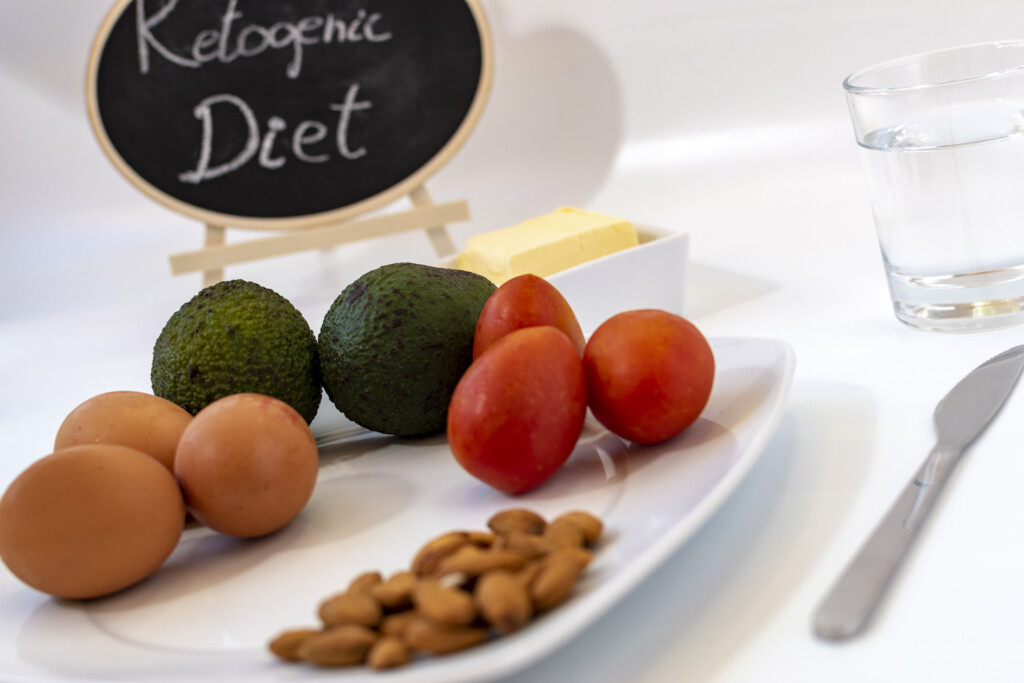
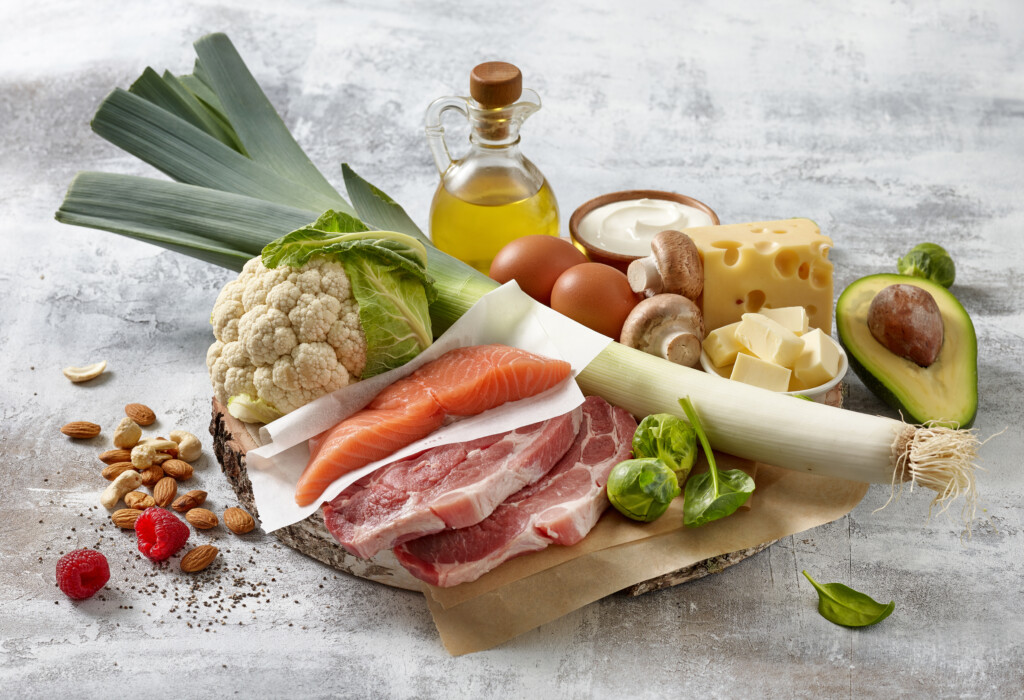
Eat: meat, poultry, fatty fish, eggs, cheese, butter, olive oil, avocado, nuts and seeds in measured amounts, and non-starchy vegetables such as spinach, broccoli, cauliflower, zucchini, and salad greens. Drink water. Many people add electrolytes in week one.
Limit or skip: bread, rice, pasta, cereal, most fruit, juice, soda, beans, potatoes, and sugary snacks. In addition, “Dirty keto” hits the carb cap with processed meats and fake desserts. “Clean keto” however, leans on olive oil, fish, eggs, and vegetables. A simple day: eggs and avocado; a large salad with salmon and olive oil; a ribeye with broccoli cooked in butter. Test strips or a blood ketone meter can confirm ketosis, but they are optional for weight-loss use.
Benefits, side effects, and who should be careful
Possible upsides: appetite control, short-term fat loss, and lower blood sugar for some people with type 2 diabetes. For that reason, The American Diabetes Association lists low-carb and very-low-carb patterns as options for adults who need better glucose control. Diabetes and blood-pressure medicines often need a clinician-supervised cut when carbs drop, or readings can fall too far.
Common early effects are the keto flu: headache, fatigue, constipation, and cramps while fluid and sodium shift. Other concerns: higher LDL cholesterol in many people, kidney stones, gout flares, nutrient gaps if vegetables stay too low, and relapse when carbs return. Do not start a keto diet if you are pregnant, breastfeeding, have a history of eating disorders, pancreatitis, or advanced kidney disease, unless a specialist directs a medical ketogenic protocol (usually for epilepsy).
Shop Keto Diet Related Products
Affiliate disclosure: Some links in this section go to commercial sites that sell keto books, meal kits, test strips, electrolytes, and pantry items. If you buy through a tagged affiliate URL, this directory may earn a commission at no extra cost to you. Educational clinic and .gov links above are not affiliate offers. People on diabetes or blood-pressure medicine need clinician oversight before a sharp carb cut.
The South Beach Diet is a lower-carb, low-glycemic eating plan created by Miami cardiologist Arthur Agatston, M.D. He designed it to favor lean protein, high-fiber vegetables, and unsaturated fats while limiting refined starch and added sugar. Unlike a strict ketogenic diet, this diet’s rules do not force you to count every gram of carbohydrate after the first two weeks. A later keto-friendly version does cap carbs more tightly.
People use it for weight loss, fewer sugar cravings, and a more heart-conscious plate. It is a commercial plan, not a government protocol like DASH. Reviews from Mayo Clinic and WebMD say the later phases can be a reasonable way to eat if you keep portions honest and add fruit, beans, and whole grains back in. Phase 1 is the strictest stretch and is not meant to last.
South Beach Diet phases
Phase 1 lasts two weeks. You drop most bread, rice, pasta, fruit, juice, and alcohol. Meals center on seafood, skinless poultry, lean beef, eggs, tofu, low-fat dairy, nuts, seeds, olive oil, avocado, and non-starchy vegetables. The goal is to quiet cravings. Rapid loss of 8 to 13 pounds is often advertised; some of that is water. Side effects can include fatigue, constipation, or headache while carbs stay very low.
Phase 2 is the long weight-loss stage. You add “good carbs”: fruit, whole-grain bread, brown rice, whole-wheat pasta, beans, and some starchy vegetables. Loss usually slows to about 1 to 2 pounds a week. Stay here until you hit your goal.
Phase 3 is maintenance. There is no rigid food list. You keep lean protein, vegetables, and healthy fats as the base and limit sweets and refined grains. If cravings return, the plan says to step back to Phase 1 or 2 for a short reset.
South Beach Diet food list and a sample day
A Phase 1 day might be a spinach omelet with olive oil; grilled chicken salad with avocado; baked salmon with broccoli and zucchini; and snacks such as part-skim cheese or a turkey lettuce wrap. In Phase 2, add berries at breakfast or a small serving of quinoa at dinner. Pair the meal plan with walking and strength training. Compare South Beach vs Atkins if you want fewer rules on fat, or South Beach vs Mediterranean if you miss fruit and grains from day one.
The 50 links below cover clinic reviews, glycemic-index explainers, official South Beach recipes, and comparison pages so you can judge the plan against DASH, Mediterranean, and other health diets.
Shop Related Products
Affiliate disclosure: Some links in this section go to commercial sites that sell South Beach Diet books, meal programs, groceries, and kitchen tools. If you buy through a tagged affiliate URL, this directory may earn a commission at no extra cost to you. Educational clinic and .gov links above are not affiliate offers. Phase 1 is restrictive; talk with a clinician before a very-low-carb start if you take medicine for diabetes or blood pressure.
Note: The South Beach Diet can help some people lose weight by cutting refined carbs, but Phase 1 is not a long-term pattern and it does not replace medical care. Product mentions are for shopping convenience; they are not medical endorsements.
MIND diet is a brain-focused eating plan. The name stands for Mediterranean-DASH Intervention for Neurodegenerative Delay. Researchers at Rush University built it from two patterns you already cover on this site: the Mediterranean diet and the DASH diet. The goal is cognitive health—slowing decline and lowering the risk of Alzheimer’s disease—by scoring how often you eat a short list of brain-healthy foods and how often you limit five less helpful groups.
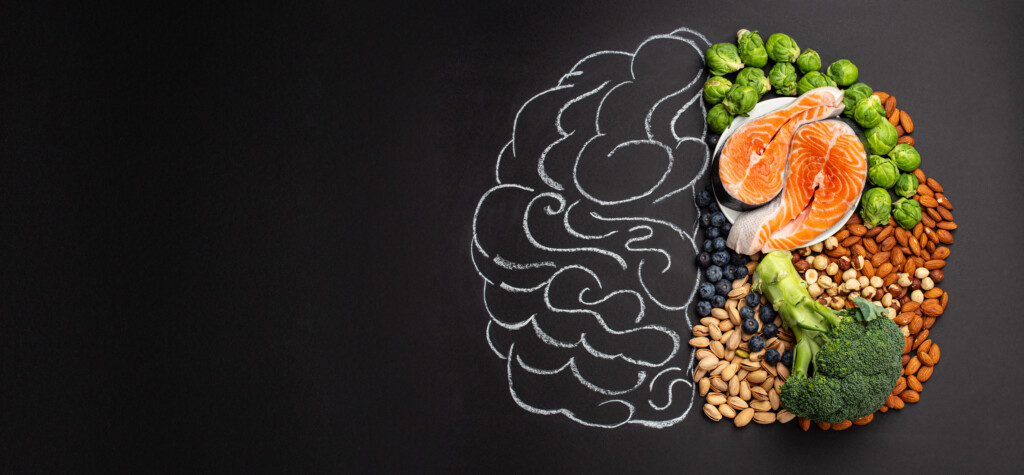
The diet food list is simple. Eat more leafy greens, other vegetables, berries, nuts, olive oil, whole grains, beans, fish, and poultry. Use wine only if your clinician agrees, and only in small amounts. Limit red meat, butter and stick margarine, cheese, fried food, and pastries or sweets. People who follow the pattern closely in observational studies tend to have better memory scores later in life. It is not a drug and it does not replace medical care.
How to follow a MIND diet meal plan
Aim for leafy greens most days and another vegetable daily. Add berries at least twice a week. Choose olive oil as the main fat. Eat fish about once a week, beans most days, and poultry instead of frequent red meat. Snack on a small handful of nuts. Also, a practical day: oatmeal with blueberries; a salad with beans, olive oil, and leftover chicken; salmon or a bean stew with farro and greens. That plate also fits many health diets and a flexitarian diet if you skip meat some nights.
Watch portions if weight change is a goal. Nuts, oil, and cheese add calories quickly. Pair this diet with walking, sleeping, and blood-pressure care—the same habits DASH already targets. If you take blood thinners or have kidney disease, ask before you jump leafy-green servings or change how much fish you eat.
Shop MIND Diet Products
Affiliate disclosure: Some links in this section go to commercial sites. If you buy through a tagged URL, this directory may earn a commission at no extra cost to you. In addition, cookbooks and meal kits can support the pattern. However, they do not treat dementia. MIND diet cookbooks and brain-health guides
Note: The MIND diet is a research-based eating pattern for brain health. It does not diagnose or treat Alzheimer’s disease. Talk with a clinician before large diet changes, especially if you take medicine that interacts with vitamin K, potassium, or fish oil.
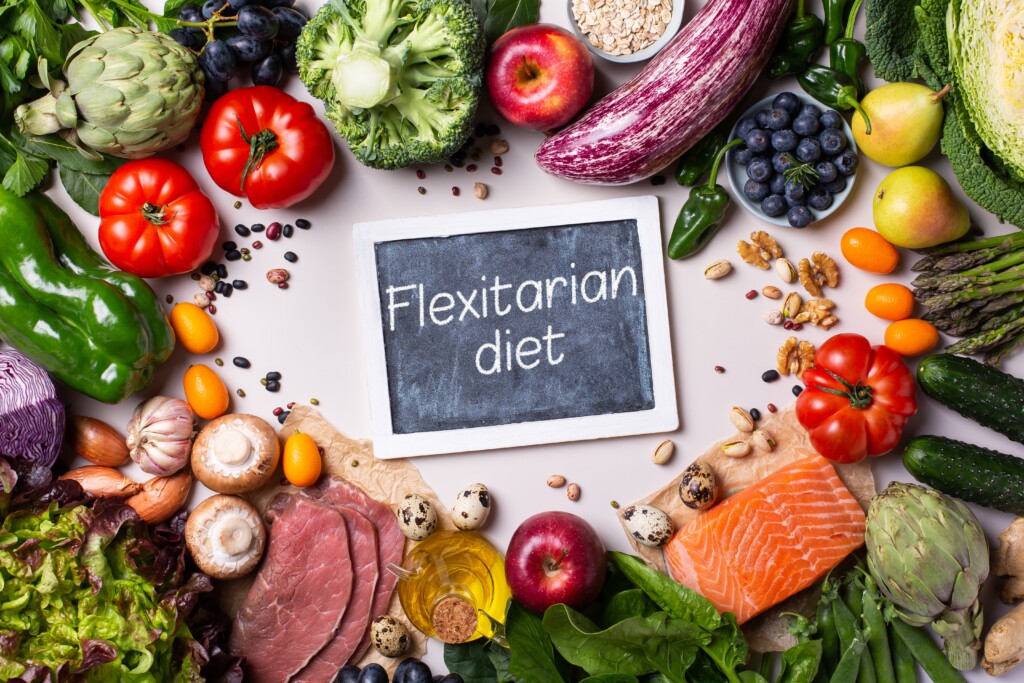
The flexitarian diet is a semi-vegetarian pattern: most meals are built from plants, and meat, poultry, or fish show up when you want them. Dietitian Dawn Jackson Blatner popularized the name. U.S. News often ranks the flexitarian diet near the top of best diets overall because it is easier to keep than a strict vegetarian or vegan diet and still tracks with a plant-based diet for heart and metabolic health.
A flexitarian meal plan leans on vegetables, fruit, whole grains, beans, lentils, nuts, seeds, and dairy or fortified alternatives. Eggs are common. Fish can be a weekly protein. Red meat is the item you cut back first. You do not need a scorecard, but beginners often start with a few meatless dinners each week, then grow toward meatless lunches as well. Meatless Monday is one simple on-ramp.
Similar in benefits to DASH or Mediterranean Diets with focus on avoiding meat based ingredients.
What to eat on a flexitarian diet
Fill half the plate with vegetables. Use beans, lentils, tofu, or eggs as the default protein. Choose brown rice, oats, whole-wheat pasta, or corn tortillas. Cook with olive oil. Keep yogurt, cheese, and milk if you tolerate them. When you eat animal protein, pick smaller portions of fish, poultry, or lean meat and treat them as a side, not the whole plate. Ultra-processed meat substitutes are optional; whole legumes usually cost less and add more fiber.
A sample day: oatmeal with berries and walnuts; a chickpea-vegetable bowl with tahini; salmon or a lentil stew with salad. That pattern overlaps the Mediterranean diet and many health diets already on this site. It also works next to DASH if you watch sodium. A flexitarian diet is not automatically low-calorie. Portions, oils, cheese, and desserts still count if weight change is a goal.
Shop Flexitarian Diet Products – Plant-Based Diet
Affiliate disclosure: Some links in this section go to commercial sites. If you buy through a tagged URL, this directory may earn a commission at no extra cost to you. Educational links above are not affiliate offers. Plant-based packaged foods vary in sodium and protein; read labels.
Note: The flexitarian diet is a flexible pattern, not a medical prescription. People who cut most animal foods should watch protein, iron, B12, iodine, and calcium, and check changes with a clinician if they have a diagnosed condition.
Trying to eat clean and ensure you only put safe foods into your body may mean swapping out some harmful products for safer and more natural alternatives. This could apply to remedies and medicines, as well as your daily meals and snacks. There are many ingredients which you may have in your kitchen cupboard which will make great natural remedies.
Here are 5 Great Natural Remedies that you must have:
1. Turmeric
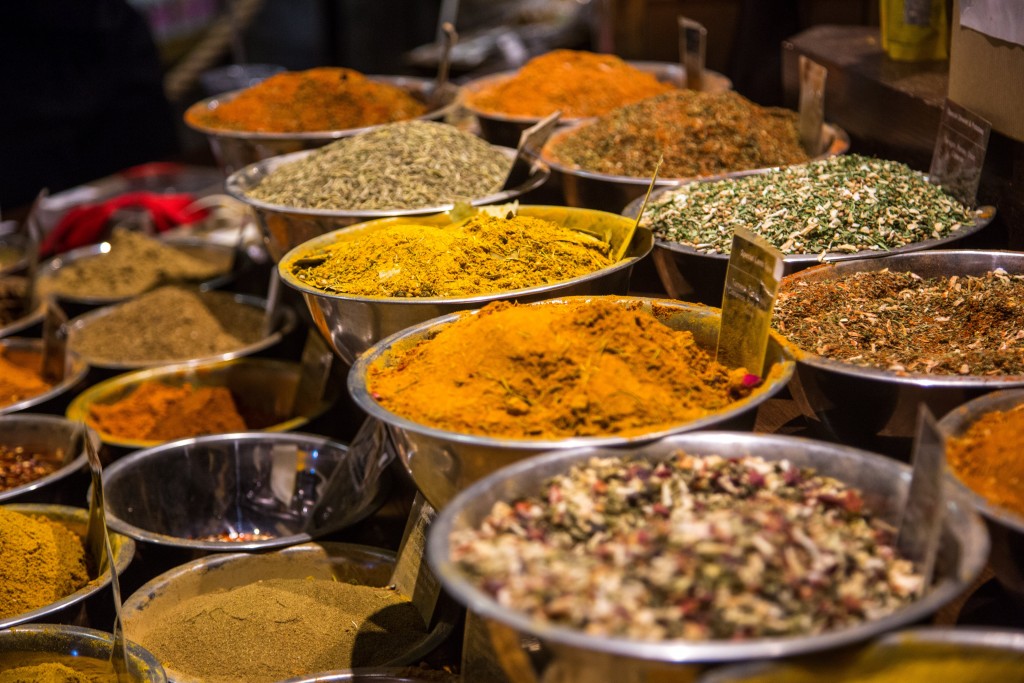
It’s difficult to start reading about natural remedies without coming across turmeric. This food has many health benefits, which is why it has been used to decades in Indian cooking. In addition to giving food color, it acts as a strong anti-inflammatory and works for relieving joint pain and aches.
2. Ginger
It’s not expensive and it’s easy to get your hands on. Many people have fresh ginger or ground ginger in the kitchen cupboard, hence, adding a bit of it to your meals can help to keep you in top shape. Also it has been known to help relieve the pain associated with arthritis. You can add crushed ginger to salads and stir fries, or mix some into a glass of warm water.
3. Olive oil
A kitchen isn’t complete without a bottle of olive oil, and there are many things you can use it for besides cooking. You can use olive oil on your hair to help it retain healthy oils and stay smooth and shiny, also you can use it on your skin as a moisturizer. Olive oil also acts as an anti-inflammatory, hence it’s a good idea to drizzle some over salads and other meals.
4. Cayenne pepper
Consuming cayenne pepper means you’ll benefit from its anti-inflammatory properties, but it can be used externally too. You can make your own cayenne cream for joint aches using two popular kitchen ingredients – cayenne pepper and coconut oil. For every half a teaspoon of cayenne pepper, mix in 2-3 teaspoons of warm coconut oil. You can use warm water if you don’t have coconut oil available at home.
5. Cinnamon
Cinnamon has many uses, including helping to fend off a common cold. In addition, consuming cinnamon can also help to keep down your sugar levels if you suffer from Type 2 Diabetes. If you have any problems with your liver, you should be careful how much cinnamon you eat. In conclusion, as with many other things, eating cinnamon in moderation will ensure you stay safe and enjoy maximum benefits from this natural remedy.
Finally, these 5 Great Natural Remedies will become part of your wellness routine. Try them!
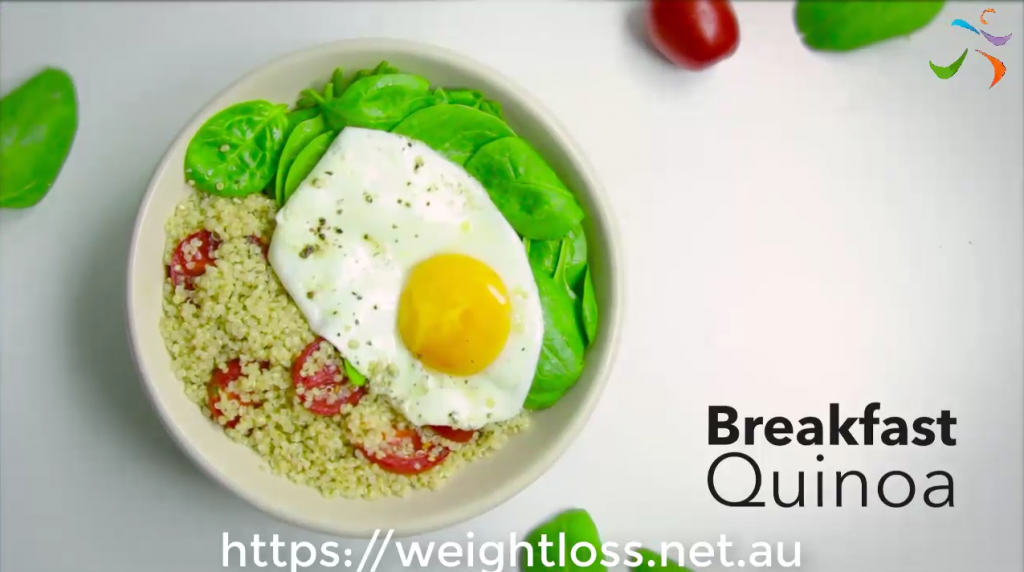
Add Salt, Garlic Powder, Italian Herbs and Olive Oil. Hand mx all ingredients well.
Add Quinoa and stir.
On a serving plate place Quinoa Mix.
Next to it place Spinach Leaves.
Place Egg on top.
Serve and Enjoy.
Cooking Quinoa is very simple,
On a covered pot warm 2 cups of water or vegetable stock and 1 Cup of quinoa. Over medium heat cook for 10 minutes stirring occasionally. Once water has been absorbed, fluff quinoa with a fork and it is ready to serve.
Quinoa Facts:
Lower calories than rice.
High Fiber Content.
High Protein Content.
Low Glycemic Index.
Gluten Free.
Enjoy this easy to prepare Quinoa Breakfast Recipe.
If you are trying to lose weight or avoid weight gain during the holidays, it can be a little difficult when it is time for Christmas dinner. Luckily, there are some ways to have healthier dishes and still feel like you weren’t missing out.
Here are some different healthier Christmas dinner ideas.
1. Mashed Sweet Potato and Cauliflower
This is a great alternative to traditional mashed potatoes, using cauliflower and sweet potato instead, which are healthier and far less calories and carbohydrates. The combination of them makes for a colorful and flavorful side dish for your Christmas dinner. To make the dish, you want to add both sweet potato and cauliflower to a food processor to make a mash, then add in Greek yogurt instead of butter, milk, and seasonings like salt, pepper, and garlic salt. Keeping carbs low is always a great idea.
2. Cranberry Almond Salad
This salad is a good replacement for just about any side dish, but especially the more fattening ones like green bean casserole. You will use spinach as your greens, then add some toasted and slivered almonds and dried cranberries on top. You can use a standard oil and vinegar dressing, or make a sesame seed dressing for the salad with apple cider vinegar, olive oil, honey, and sesame seeds.
3. Gingerbread Loaf
For a dessert after dinner that is low in calories, make a gingerbread loaf. This is a clean eating recipe containing molasses, ginger, vanilla extract, maple syrup, applesauce, and eggs. You will also need cinnamon, nutmeg, whole wheat flour, baking soda, cloves, baking powder, and salt. It is a really simple recipe that just requires these ingredients and a standard loaf pan. Choose whether or not you want icing on top.
4. Whole Wheat Rolls
Dinner rolls are often a favorite for Christmas dinner, but standard white rolls are filled with carbs and not always good for you. If you still want rolls, a healthier option is to make whole wheat ones. You can use whole wheat flour, coconut butter instead of regular butter and pure honey to make them delicious, yet better for you. Instant yeast, salt, and an egg are also going to be used for the rolls.
5. Cauliflower Rice Stuffing
Instead of making regular bread stuffing, why not use cauliflower rice and turn it into a healthier version of stuffing? Cauliflower can be made into a rice consistency with your food processor. You will then combine the cauliflower rice with onion, olive oil, celery, mushrooms, seasonings, herbs, red wine vinegar, and pecans.
These 5 Healthier Christmas Dinner Ideas will make a great menu. Enjoy!
This flavorful garlic chive cauliflower mash pairs well with a wide range of beef, pork, chicken, and plant-based entrees. Plus, it comes together in under 30 minutes, so it is perfect for those busy weeknights when you want to get a healthy dinner on the table without too much fuss.
Prep time: 10 minutes Cook time: 15 minutes Serves: 4
Tip: Steaming the garlic along with the cauliflower will remove the raw edge and make it more tender.
Ingredients:
1 medium cauliflower head, florets only
2-3 whole garlic cloves, peeled
2 T. extra virgin olive oil
2 T. unsweetened almond milk
1 t. garlic powder
1 t. onion powder
Sea salt and black pepper, to taste
3 T. fresh chives, chopped
Directions:
1. Place the cauliflower florets and the garlic cloves into a steamer basket set over a pot of gently boiling water. Cover and steam until the cauliflower is fork-tender, around 15 minutes.
2. Transfer the cauliflower and garlic to a food processor or blender and add the olive oil, almond milk, garlic powder, and onion powder. Season with salt and black pepper, to taste, and process until smooth and creamy. Taste and adjust the seasonings, as desired.
3. Transfer to a serving bowl and top with fresh chives before serving. Enjoy!
Enjoy this delicious Garlic Chive Cauliflower Mash – It is healthy and Nutritious!.
As with many other healthy diets, using natural ingredients guarantees an active and clean life style.
Additionally, vitamins are preserved when lower cooking temperatures are used.
As you probably know, the paleo diet relies on eating what you might have been able to hunt or forage during the Paleolithic age. It is also known as the ‘Stone Age Diet”.
This means cutting out anything that is processed, from grains like wheat and rye, to processed cheese, hydrogenated oils, and most carbohydrates. You are going to follow a diet that is high in good fats and moderate in animal fats, with plenty of produce mixed in as well, along with nuts and seeds.
The paleo diet is a great option, with similar results to low carb diets if you want to lose weight, maintain your current weight, or become healthier. You are no longer eating sugar or processed foods, which can be very beneficial to your overall health, not just your figure. When you are at home, it is easy to stay on track because you have a full-size refrigerator and kitchen at your disposal. With this type of diet, you aren’t buying any packaged foods, so the majority of your meals are homemade. This isn’t an option when you are traveling, so you need to get creative and think a little bit outside the box.
The following information provides you with some tips and tricks for staying on the paleo diet as much as possible while traveling. Keep in mind the general recommendation is to stick to the paleo diet 80% of the time. So while it is good to try to bring plenty of food on your trip that follows with the paleo diet, don’t worry if 20% of your diet isn’t necessarily paleo-approved.
The Importance of Preparation
If you are going to travel while remaining on the paleo diet, the first thing you need to do is give yourself plenty of time to prepare. One of the easiest ways to go completely off diet while traveling is when you assume you will be able to find what you need at a gas station or restaurant, then discover you can’t find any beef jerky or nuts and have to eat a bag of chips and a candy bar instead. Make sure when planning your vacation, whether going by plane, train, car, or even on a cruise ship, that you know what to expect and plan accordingly.
Research Your Accommodations
The first step to planning for your trip is to research the type of accommodations you will have. For example, if you are headed on a road trip, you might be stopping at a few hotels along the way. Instead of just stopping when you get tired and sleeping overnight, know exactly where you are going to stop. This helps you to find hotels with a microwave and fridge, which will help you store and prepare food while you are there. It also helps you choose hotels with something to offer, such as eggs and bacon for breakfast, or a nearby restaurant where you can choose something paleo diet friendly.
Look Up What is Around
You also want to know what is going to be around in regards to your trip. Perhaps you are staying at a vacation resort. You already know that room service and a continental breakfast is offered, but that isn’t going to feed you for a week or however long you are on vacation. Look up fast-food restaurants, delis, cafes, and sit-down restaurants in the area to find out where you can go. Look up their menus online so you can decide ahead of time what you will order. This not only takes all the guesswork out of what to order when you get there, but it lets you know exactly how much food you need to bring with you.
Make a List of Paleo Diet -Approved Snacks
When you are preparing for your trip, make sure you are making a list of the snacks to be brought with you. You want to know what snacks need to be kept cool either in the car or in the hotel room, as well as snacks that can be left out. Make sure you have a good combination of snacks so you aren’t eating just nuts and beef jerky for the entire trip. Have a good variety of snacks that are a variation of what you would eat at home.
Start Prepping Your Snacks
Now that you know what snacks you are going ot bring on the trip, you can get them prepared. If you just bring a big bag of jerky, a jar of nuts, and another bag of produce, you might eat too much in the beginning of your trip, run out, and have to try and find things at a convenience store. A better option for the planning stage is to take all of your snacks and put them in individual portion bags. This allows you to select just one snack-sized baggie of whatever food you are having so that you can control how much you eat and have enough for the entire trip.
What to Look For in a Hotel
Now that you understand why the planning stage is so important for your vacation, you can start looking for a hotel with the right amenities and the right location. Your hotel choice is really important when you are trying to stick to the paleo diet. It ensures there are enough amenities in the room and places to eat around the hotel that keep you from hitting up McDonald’s for French fries or getting a muffin from the continental breakfast. Convenience food can be very tempting and easy, but if you planned it out right, your hotel should have everything you need. Here are some things to look for in a hotel:
Nearby Restaurants
First thing’s first: look for accommodations that are near places you can eat. While it is true you can adjust menus at just about every restaurant to a paleo diet, you don’t want to make it more difficult than you have to. Find a hotel with a lot of different restaurant choices so that you can look up all their menus online and make an educated decision. If the only restaurant between the hotel and civilization is a Denny’s, you will be good for a day or so, but then you’re going to get bored with the limited selections. Look for variety and different types of cuisine to make it interesting. This allows you to fully enjoy your vacation while also remaining on the paleo diet plan as much as possible.
Fridge and Microwave in the Room
It is also a good idea to find a hotel with a microwave and mini fridge in your room. This lets you bring food and snacks that need to be kept cold, while you can also bring some leftovers in containers and heat up your food in the microwave. The mini fridge is a little more convenient than a microwave since you could always eat leftovers cold, so really focus on looking for a hotel room with a fridge. You might need to call the hotel instead of making reservations online, because many hotels only have certain rooms with these amenities. It might cost you a little more for the special rooms, but the upgrade is well worth it when you need to have some meals in the room and want full control over what you eat.
Room Service or Continental Breakfast
Finally, don’t forget about the option of either breakfast served in the hotel or room service. Continental breakfast when there are just bagels, muffins, and cereal can be hard to find something paleo-approved. However, do find out exactly what is offered. Some hotels have a breakfast with some extras, such as fresh fruit, scrambled eggs, and breakfast meats. This does allow you to have a breakfast following the paleo diet. It is also good to have a hotel where room service is available. You can order up food that is approved by your paleo diet, whether you get steak and veggies, salmon, or a burger without the bun and fries. It is a good option when you are treating yourself to a nice vacation.
How to Keep Food Cold
There are some instances where you need to keep food cold without having access to a mini fridge. This applies to going on a road trip, being on the train, or even being in your hotel room. Here are some helpful ways to keep food cold in different situations:
On the Train or Bus
If you are traveling by bus or train, you are limited with your options of keeping your food cold. You will only be able to keep a small amount of food cold, and only for a short period of time. You can usually keep food cold for a few hours though, so planning ahead can really help you. For this type of travel, bring along an insulated lunch bag. It should be large enough to fit anything you are trying to keep cold, such as hard-boiled eggs, salad ingredients, or a paleo wrap you have prepared. Add some soft ice packs to the bottom, add your food, then put another ice pack on top. This should be enough to keep it cold for several hours.
In Your Car
When you travel by car, it is a little bit easier to keep more food colder for a longer period of time than if you are going by train or bus. You have more room to hold larger items, which means you can bring along an ice chest. There are three ways to keep food cold in an ice chest: with ice packs, actual ice, or with dry ice. Actual ice is good when you have a lot of extra room in the ice chest and can get more ice during your road trip. With dry ice, it keeps food cold for up to 24 hours while in your ice chest, which is good news for a road trip.
In a Hotel Room
Finally, you can keep food in your hotel room without a mini fridge. This is also another way you can use your ice chest, and keep buying ice or dry ice to add to it so your food stays cold. Another option is to fill the sink in the hotel room with ice, even with the ice you get from the ice machine that the hotel offers. This keeps small food or drink items cold for a short period of time. It isn’t ideal, but it definitely a good option when you are in a pinch.
Foods You Can Keep at Room Temperature
Don’t want to worry about keeping everything cold? There is no need to worry! You will be able to choose a lot of healthy foods and snacks for the paleo diet that are easy to bring with you and can be kept out on a table or counter when you are traveling. Whether you bring them in food containers in your car, keep them in your backpack during a trip on the train, or have them set up in your hotel room, they are no-fuss foods and snacks.
Shelf-Stable Paleo Snacks
* Beef jerky
* Hardboiled eggs (for a limited time)
* Tuna or sardines in a can or foil pouch
* Nuts or seeds, preferably raw and unsalted varieties
* Kale chips and other vegetable chips
* Seaweed
* Olives
Produce You Can Keep Out
* All types of berries
* Pears
* Apples
* Regular and cherry tomatoes
* Cherries
* Celery
* Carrots
* Broccoli
* Avocado
* Jicama
* Tangerines
* Dates
* Figs
Snacks to Bring On the Plane
The snacks you bring along on a plane are limited to your purse or carry-on bag only. You need to be careful with what you bring to ensure it is approved during check-in. And make sure it fits in your bag with your other belongings.
Road Trip Paleo Foods
Here are some snack options that are perfect for bringing with you on a road trip:
Homemade granola – If you like to make your own granola, bring some with you!. It is good to munch on without needing a big meal. It is also easy to eat if you are driving.
Paleo-friendly protein bars – Try making your own protein bars or getting some paleo protein bars before you leave. Make sure you look closely at the ingredients before buying.
Dried fruit – Dried fruit is always a good idea on a road trip. It lets you have some sweetness and get rid of that sugar cravings. Dried apricots and dried mango are excellent for road trips.
Dry roasted nuts – Instead of the plain raw almonds, mix it up with dry roasted nuts. Get them unsalted and get different types of nuts, such as cashews. These are really yummy and can feel more like a treat than anything else.
Hard-boiled eggs and cheese –Bring an ice chest with cold packs in your car, fill with cheese and hard-boiled eggs. These will keep cold for several hours and offer a protein-filled snack.
Sweet potato chips – Kale chips and sweet potato chips are highly recommended.
Selecting the Right Restaurants
Part of planning for your trip when you are on paleo is selecting restaurants and fast food joints you can eat from. However, this can get tiring, so don’t forget about sit-down restaurants.
Most types of cuisine will offer something you can eat. For example, many people think Mexican is out of the question, but it just depends what you get. Choose a dish that comes with meat and veggies, then just avoid the tortillas. You can get fajitas and have the grilled chicken and vegetables, as well as the salsa.
With sushi restaurants, you can eat all the raw sashimi you want, just avoid any rolls that contain rice. Instead of a California roll, go for a roll of raw tune instead. Seafood and steak restaurants are ideal, enjoy all the seafood, steak, and veggies, and leave behind the carb sides.
Don’t let your vacation keep you from your regular paleo diet lifestyle.


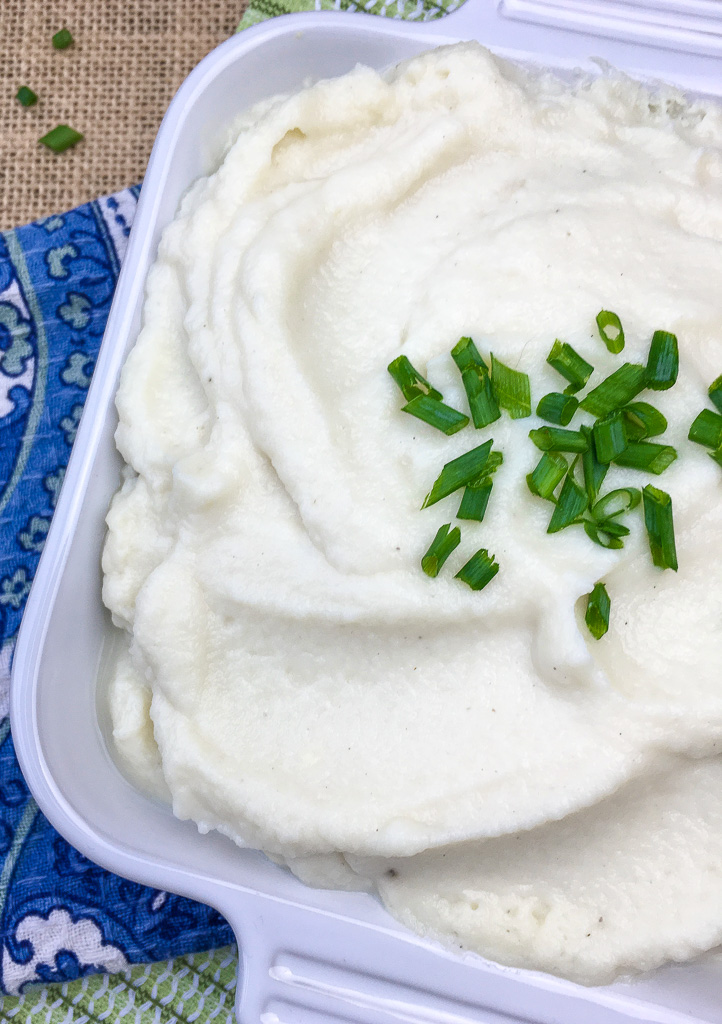 This flavorful garlic chive cauliflower mash pairs well with a wide range of beef, pork, chicken, and plant-based entrees. Plus, it comes together in under 30 minutes, so it is perfect for those busy weeknights when you want to get a healthy dinner on the table without too much fuss.