Drinking more liquids is usually recommended by dieticians and doctors for those on weight loss plans. Usually, liquids contain less carbohydrates than solid food. This is great advice for water (it has zero calories). On the other hand, many liquids have tons of calories that go unnoticed.
Avoiding liquid calories is difficult. Many drinks have undetected calories. Hence they have a huge impact on your weight loss. Exactly like calories from food, liquid calories will make you gain weight. Liquids don’t make you feel full for long. Therefore, we end up taking in more calories, since they come from two sources. Reducing calories in the form of solid food is easier. We simply reduce food intake. With liquid calories however, we drink to quench thirst, or to help food go down, many times not noticing how much we drink.
How to avoid liquid calories in your diet
Drink water instead of sports drinks and soft drinks.
Water has lots of health benefits and has zero calories, and therefore is one of the healthiest drinks you can take. Sodas have lots of sugar in them, which increases blood sugar levels. Therefore causing an insulin reaction in the body. With time, this will lead to weight gain and diabetes. Sugar-free drinks contain sugar substitutes such as aspartame, equally as dangerous. It increases the risk of metabolic syndrome, resulting in belly fat and high cholesterol.
Unless you are doing hardcore cardio exercises, you don’t really need the calories from sports drinks. Energy drinks have several disadvantages to your body, such as putting unnecessary stress on your heart and having lots of carbohydrates. For instance, a small can of Red Bull has only 115 calories, but a whopping 28.3g of carbohydrates, which are converted into fat.
Watch out for fruit juices
In as much as you will get the same nutrients when eating a fruit or drinking its juice, eating the fruit is better as it is more filling, and for longer, due to its fiber. Additionally, juices may have been sweetened with sugar.
Drink low-fat milk
Avoiding liquid calories by opting for low-fat milk in place of full fat milk works well. A cup of whole milk has 148 calories while a cup of low-fat milk has only 90 calories.
Avoid flavored and coffees
Most of the specialty coffees, such as Cappuccinos, Season Blends and Mochas have over 400 calories per serving. Drink regular coffee instead.
Avoid alcoholic beverages and cocktails
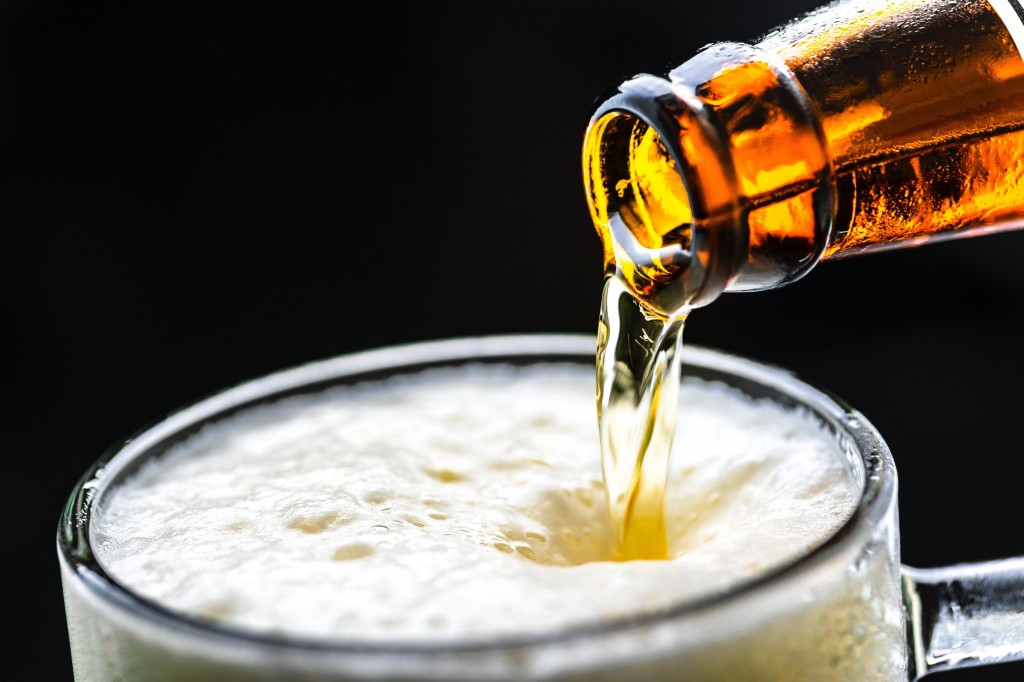
Alcoholic drinks and liquors have calories, especially cocktails with sugary mixes or cream. When you take alcohol, the body immediately starts metabolizing it. Hence it stops breaking down fat. This will stop your weight loss. Limit your alcohol intake or completely avoid it to lose weight.
Finally, routinely avoiding liquid calories will result in substantial weight loss.
Practicing a healthier lifestyle is always the better way of living. Nowadays, the more people look for ways to achieve that perfect body, the more diet plans pop up. Therefore you have more options to choose from. People like shortcuts; the easier, the quicker-the better! Which is why fasting for weight loss is growing more popular by the day.
Intermittent Fasting or simply IF, is unique in that it is time restrictive rather than food group restrictive. It’s the act of fasting for long periods of time then eating during specific intervals instead of restricting yourself from different types of food while keeping regular mealtimes.
Humans have been dieting since the ancient times- before convenience stores, on demand food delivery and microwave ovens. Our ancestors had to hunt and gather for every meal, meaning they literally had to be the predator among the vast choices of prey in the wild.
Sometimes they were unsuccessful, which pushed them to involuntarily fasting.
There are different types of intermittent fasting. They differ in the amount of calories consumed and the period of time you between meals.
Read below to choose which one you’re more inclined to start with
16/8 Method
This type of IF is arguably one of the most popular and easiest one. This could also be your steppingstone before going into more intense fasting methods. Using the 16/8 method means fasting for 16 hours a day and having an eating window of 8 hours. An eating window is the time you get to eat after fasting for a while.
The simplest way to practice 16/8 is to eat early dinner and fast until 12 noon the next day. Two meals per day is doable for this method; lunch and dinner. You can eat some snacks during the eating window, granted you don’t binge eat.
5:2 Method
Fasting using this method means fasting for only two days per week, hence the five to two ratio. This doesn’t mean you don’t eat for two whole days though, but rather you only eat 500-600 calories for the duration of it. Then, you continue to eat normally on the remaining five days. You can restrict yourself to one meal containing 250 calories per day with this diet.
Eat-Stop-Eat
Once you get the hang of the 16/8 method and you think you’re fit for longer hours of fasting, this method could be your next goal. This method includes a whole day of fasting, or 24 hours to be exact. You could practice it by fasting from dinner to dinner or lunch to lunch- it doesn’t have much of a difference.
Alternate-Day fasting
According to its name, it just means fasting every other day. Studies have found that those who practice it tend to lessen their calorie intake rather than restrict themselves with an eating window. An example could be only eating a total amount of 250 calories for each meal.
The Warrior Diet
The name derives from the fact that it allows you to feast at night within a certain time frame. This method allows for fasting the whole day then eating a full meal by night. Organic food is recommended during your meals in the day for a more effective weight loss.
Spontaneous Meal Skipping
This method is one of the simplest ones to practice but also lacks in studies that prove it works. It could also be called a “short fast” where you skip meals whenever you’re not hungry. Starving yourself is different though, remember to eat when you feel the starvation creeping in.
How do you start practicing it?
Find out what you want to achieve – Laying out goals for yourself is a way to help you achieve it. How do you want to see yourself progress as you practice IF? Do you want to lose weigh, and have a healthier lifestyle? Find out what’s your end goal so you can pick out a method that best works with you.
Choose which method you want to practice – Your end goal should be the deciding factor when selecting a fasting plan. Remember, you know your own body’s capabilities and limitations best so use your knowledge of your personal history as a guide.
Adopt a disciplined mindset – Any time you try something new, you always have to adjust. So, take some time to let yourself get used to it, some mishaps may happen but learn to also stick to the plan you have.
Fasting is far from starvation so always make sure to practice it healthily. To make sure you can achieve the practice well, read through these reminders:
Plan out a whole diet – Although fasting means that you can eat normally during your eating window, doesn’t mean you can eat whatever you want. Help yourself achieve your goal much faster by limiting your calorie intake for each meal.
Create an IF calendar – Write down the pattern you’re opting for in calendar or planner. Even set an alarm for each time you have to eat or start fasting.
Important Tips:
Don’t binge eat – Eating during your “eating window” doesn’t mean making up for all the fasting you did. Eat as you normally would for every meal or else, all those fasting hours would be for nothing.
Drink beverages in between – Stay hydrated; even more when you’re fasting. You should aim to drink half of your body weight in water every day. So if you weigh 150lbs, you want to drink at least 75oz of water.
Consume organic snacks – Snacks to munch on in between meals doesn’t mean those sugar filled snacks you buy from convenience store. Choose healthier options like healthy fats, fruits and vegetables to snack on during your eating window to help fill your stomach.
Practice is key – Not all things you do are perfect from the very start. Adopt the practice of self-discipline and of course practice hard. Start slowly with intermittent fasting. Eat earlier dinners and then eat brunch the next day- that will automatically be a full 12 hour fast. From there, you can adjust your eating window more and more until you feel like you can practice your desired method.
Finally, remember that Intermittent Fasting is safe when done properly. Try It!
There are many reasons why some women look at ways of losing weight while pregnant. Not everyone is able to simply enjoy the whole ‘eating for two’ thing. If for whatever reason you need to look at losing weight while pregnant, you’ll want to be very careful about weight loss methods. Read on for some suggestions.
Eat Your Calories
Some people don’t realize how much of their caloric intake comes from beverages. Drinking thick shakes or soda pop won’t be good for your health and some of these beverages aren’t at all good for your baby, either.
Drink 1% or Skim Milk
Don’t mistake the above advice about eating your calories as a reason not to drink milk. Milk is an excellent source of calcium and calcium is essential during pregnancy. But you don’t need the fat in whole milk. Opt for 1% or even skim milk, which will provide you with calcium without as many grams of fat.
Count The Calories
You don’t need to eat for two adult people when you’re pregnant. Some women have so much weight loss after pregnancy because they take the “eating for two” adage quite literally. An extra 300 or so calories beyond the normal optimum calorie intake for your body is adequate. Counting calories to get into the optimal range is a good idea and it’s also a good idea to opt for good calories versus bad.
Beware
The vast majority of diet supplements are not tested for safety for pregnant women. For this reason, it’s probably not wise to use diet aids unless they’re approved by your doctor.
Integrate Light, Doctor Approved Exercise
Some pregnant women can’t exercise for medical reasons. The vast majority of pregnant women however, can get some light exercise during pregnancy. Walking, pregnancy yoga, and other light exercises could not only help you with losing weight while pregnant.They will also help you have an easier time of labor due to your being in better physical condition.
Eat Clean
Cleaner eating will give you and the baby the right level of nutrition without packing on the pounds. Be choosy about what you eat while pregnant.
It’s usually okay to give in to the odd craving (unless you’re on a highly restrictive diet due to blood sugar issues or some other problem). But eating clean for the vast majority of the time will probably result in most of your gain during pregnancy being all baby.
After you’ve given birth and you’re feeling fit and healthy, you might like to check out our tips on losing weight after pregnancy!
In conclusion, Losing Weight While Pregnant should only be done under medical supervision.



 Some people don’t realize how much of their caloric intake comes from beverages. Drinking thick shakes or soda pop won’t be good for your health and some of these beverages aren’t at all good for your baby, either.
 Cleaner eating will give you and the baby the right level of nutrition without packing on the pounds. Be choosy about what you eat while pregnant.