
Flexitarian Diet: A Flexible Plant-Forward Eating Plan
Compare Diet Guides · Keto Diet · Carnivore Diet · South Beach Diet · Mediterranean Diet · DASH Diet · MIND Diet · Flexitarian Diet· Gluten Free
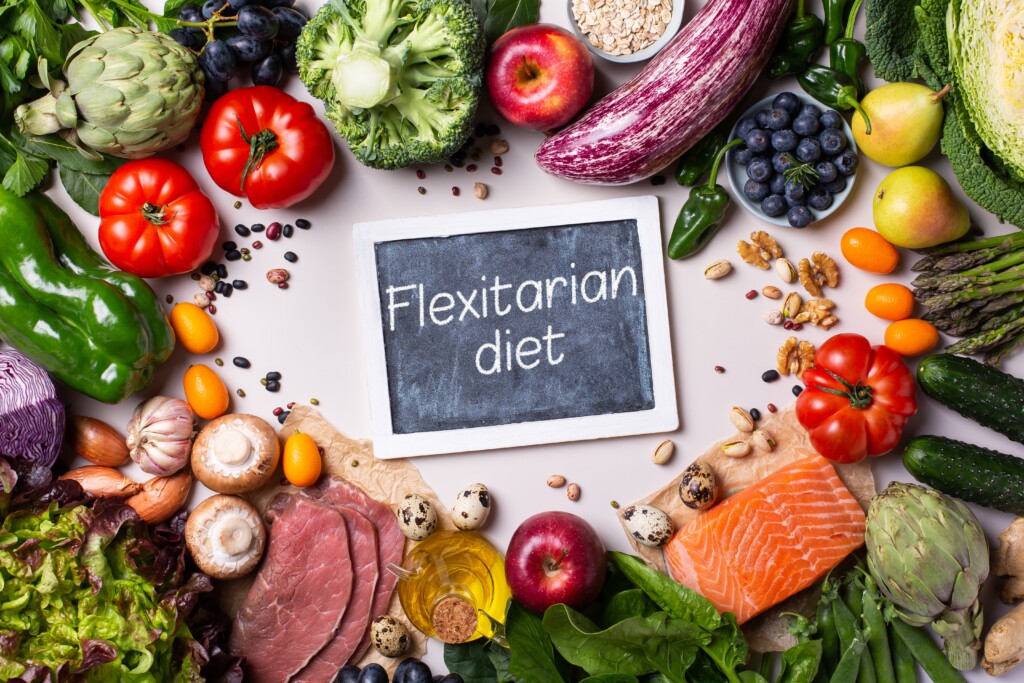
The flexitarian diet is a semi-vegetarian pattern: most meals are built from plants, and meat, poultry, or fish show up when you want them. Dietitian Dawn Jackson Blatner popularized the name. U.S. News often ranks the flexitarian diet near the top of best diets overall because it is easier to keep than a strict vegetarian or vegan diet and still tracks with a plant-based diet for heart and metabolic health.
A flexitarian meal plan leans on vegetables, fruit, whole grains, beans, lentils, nuts, seeds, and dairy or fortified alternatives. Eggs are common. Fish can be a weekly protein. Red meat is the item you cut back first. You do not need a scorecard, but beginners often start with a few meatless dinners each week, then grow toward meatless lunches as well. Meatless Monday is one simple on-ramp.
Similar in benefits to DASH or Mediterranean Diets with focus on avoiding meat based ingredients.
What to eat on a flexitarian diet
Fill half the plate with vegetables. Use beans, lentils, tofu, or eggs as the default protein. Choose brown rice, oats, whole-wheat pasta, or corn tortillas. Cook with olive oil. Keep yogurt, cheese, and milk if you tolerate them. When you eat animal protein, pick smaller portions of fish, poultry, or lean meat and treat them as a side, not the whole plate. Ultra-processed meat substitutes are optional; whole legumes usually cost less and add more fiber.
A sample day: oatmeal with berries and walnuts; a chickpea-vegetable bowl with tahini; salmon or a lentil stew with salad. That pattern overlaps the Mediterranean diet and many health diets already on this site. It also works next to DASH if you watch sodium. A flexitarian diet is not automatically low-calorie. Portions, oils, cheese, and desserts still count if weight change is a goal.
Shop Flexitarian Diet Products – Plant-Based Diet
Affiliate disclosure: Some links in this section go to commercial sites. If you buy through a tagged URL, this directory may earn a commission at no extra cost to you. Educational links above are not affiliate offers. Plant-based packaged foods vary in sodium and protein; read labels.
Flexitarian and plant-forward cookbooks
- Amazon: flexitarian diet cookbooks
- The Flexitarian Diet (Dawn Jackson Blatner)
- Amazon: plant-forward cookbooks
- Amazon: bean and lentil cookbooks
- Amazon: Meatless Monday cookbooks
- Bookshop.org: flexitarian titles
- Barnes & Noble: flexitarian books
Meal kits and prepared meals (easy meatless nights)
- HelloFresh — use veggie / vegetarian boxes
- Green Chef
- Sunbasket
- Blue Apron
- Hungryroot
- Daily Harvest
- CookUnity
- Purple Carrot (plant-based kits)
- Factor
Grocery staples for a flexitarian kitchen
- Amazon: dry beans and lentils
- Amazon: canned beans
- Amazon: tofu
- Amazon: quinoa and brown rice
- Amazon: extra virgin olive oil
- Amazon: tahini
- Instacart
- Amazon Fresh
- Whole Foods Market
- Thrive Market
Programs and kitchen tools for Flexitarian Diet
- Mayo Clinic Diet (vegetarian / Mediterranean-style plans)
- WeightWatchers
- Noom
- Amazon: Instant Pot / multicooker (fast beans and grains)
- Amazon: air fryer
- Amazon: meal-prep containers
Note: The flexitarian diet is a flexible pattern, not a medical prescription. People who cut most animal foods should watch protein, iron, B12, iodine, and calcium, and check changes with a clinician if they have a diagnosed condition.
Address
Suite 6, 6 Dalley Avenue
Pagewood
NSW 2035
Australia
Social
Follow us on social media and stay connected.