
MIND Diet: Brain-Healthy Eating From Mediterranean and DASH
Compare Diet Guides · Keto Diet · Carnivore Diet · South Beach Diet · Mediterranean Diet · DASH Diet · MIND Diet · Flexitarian Diet· Gluten Free
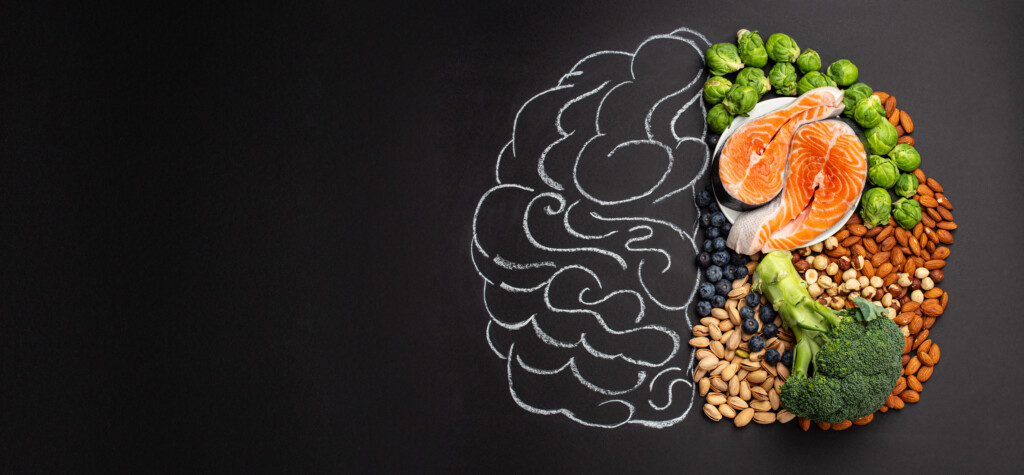
MIND diet is a brain-focused eating plan. The name stands for Mediterranean-DASH Intervention for Neurodegenerative Delay. Researchers at Rush University built it from two patterns you already cover on this site: the Mediterranean diet and the DASH diet. The goal is cognitive health—slowing decline and lowering the risk of Alzheimer’s disease—by scoring how often you eat a short list of brain-healthy foods and how often you limit five less helpful groups.
The diet food list is simple. Eat more leafy greens, other vegetables, berries, nuts, olive oil, whole grains, beans, fish, and poultry. Use wine only if your clinician agrees, and only in small amounts. Limit red meat, butter and stick margarine, cheese, fried food, and pastries or sweets. People who follow the pattern closely in observational studies tend to have better memory scores later in life. It is not a drug and it does not replace medical care.
How to follow a MIND diet meal plan
Aim for leafy greens most days and another vegetable daily. Add berries at least twice a week. Choose olive oil as the main fat. Eat fish about once a week, beans most days, and poultry instead of frequent red meat. Snack on a small handful of nuts. Also, a practical day: oatmeal with blueberries; a salad with beans, olive oil, and leftover chicken; salmon or a bean stew with farro and greens. That plate also fits many health diets and a flexitarian diet if you skip meat some nights.
Watch portions if weight change is a goal. Nuts, oil, and cheese add calories quickly. Pair this diet with walking, sleeping, and blood-pressure care—the same habits DASH already targets. If you take blood thinners or have kidney disease, ask before you jump leafy-green servings or change how much fish you eat.
Shop MIND Diet Products
Affiliate disclosure: Some links in this section go to commercial sites. If you buy through a tagged URL, this directory may earn a commission at no extra cost to you. In addition, cookbooks and meal kits can support the pattern. However, they do not treat dementia. MIND diet cookbooks and brain-health guides
MIND diet cookbooks and brain-health guides
- Amazon: MIND diet cookbooks
- Amazon: MIND diet plans
- Amazon: brain-healthy cookbooks
- Amazon: Mediterranean and DASH cookbooks
- Bookshop.org: MIND diet titles
- Barnes & Noble: MIND diet books
Meal kits that fit leafy greens, fish, and olive oil
MIND pantry staples
- Amazon: extra virgin olive oil
- Amazon: frozen berries
- Amazon: unsalted nuts
- Amazon: canned salmon and sardines
- Amazon: beans and lentils
- Amazon: whole grains
- Instacart
- Amazon Fresh
- Whole Foods Market
- Thrive Market
Programs and tools
- Mayo Clinic Diet (Mediterranean and heart-smart plans)
- WeightWatchers
- Noom
- Amazon: salad spinner
- Amazon: sheet pans (fish and vegetables)
- Amazon: meal-prep containers
Note: The MIND diet is a research-based eating pattern for brain health. It does not diagnose or treat Alzheimer’s disease. Talk with a clinician before large diet changes, especially if you take medicine that interacts with vitamin K, potassium, or fish oil.
Address
Suite 6, 6 Dalley Avenue
Pagewood
NSW 2035
Australia
Social
Follow us on social media and stay connected.