
Tag: Protein

  • Holistic Diet – Food That Heals Mind and Body

    Holistic Diet  for a Better Lifestyle.
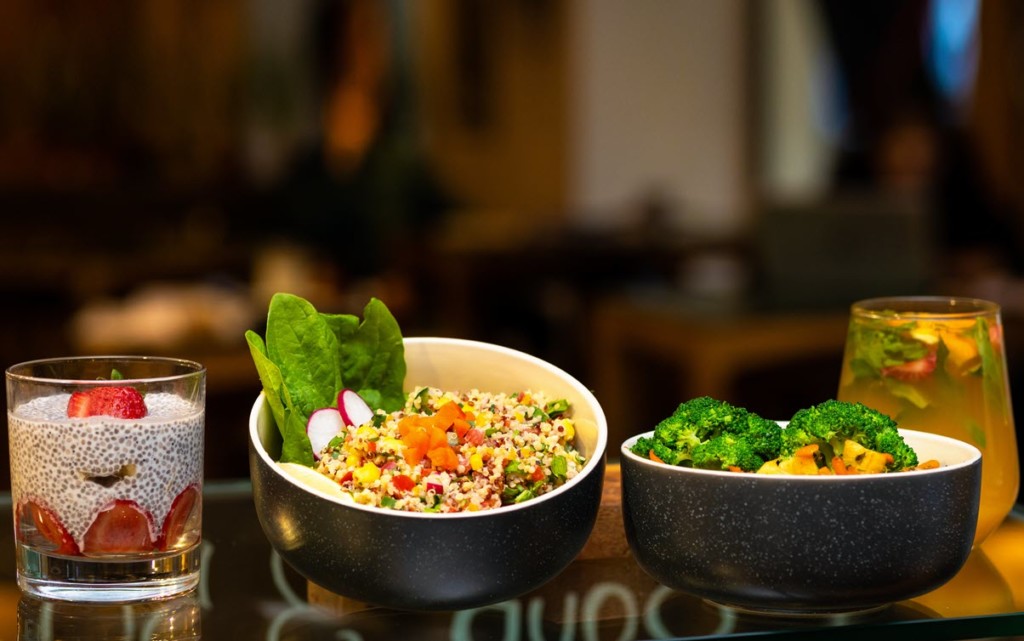
    Holistic Diet
    Photo by Farhad Ibrahimzade on Unsplash

    We all know that we need to eat healthy foods in order to stay healthy and maintain a balanced weight.

    But what exactly is “healthy”? Well, it’s not just about cutting out the bad stuff like junk food and sweets. It’s also about adding more good things into your diet such as fiber, protein, vitamins and minerals!

    This blog post will outline some of the best holistic foods for healing. So if you’re looking for some suggestions on how to start incorporating these into your diet then keep reading!

    Holistic health and living a more natural life starts with what you put into your body.

    Your gut is your second brain, and for good reason. It controls a lot of our bodily functions and emotions, so we need to be very careful about what we eat or don’t eat; this includes everything from the quality of food products that go on grocery store shelves all the way down to how adequately prepared they are at home before being eaten.

    For healing both mind and body there’s nothing better than following these helpful dieting tips!

    Switch to Healthy Fats

    For a holistic and more natural diet that is good for your body, you need fats, but only the good ones. Many people think fat is a dirty word and should always be avoided, but this isn’t the case. You need fats in your body to provide energy and important nutrients, plus they help make you feel full.

    However, you want to pay attention to the types of fats you consume. Get rid of the bad fats, including vegetable oil, soybean oil, trans fats, and fried foods. Switch to healthy fats like avocados, olive oil, avocado oil, nuts, and seeds.

    Add More Plant Foods Into Your Diet

    Do you want to eat a healthier and more organic diet? Start with fresh fruits and vegetables. Look for plant foods you enjoy to eat, otherwise you are not going to stick with it.

    You want lots of greens in your diet, including broccoli, spinach, kale, lettuce, and collard or mustard greens. Get these organic when you can, or at least rinse them very well before preparing your meals. Try to stick more veggies in the foods you prepare, and don’t forget your fresh fruits for added vitamins.

    You don’t need to follow a vegan diet just to be healthy, but try one meat-free day a week and see how you feel.

    Increase Your Protein

    As you begin eating a healthier diet, you should also make sure you are getting adequate amounts of protein. Protein benefits you in so many ways, including giving you energy and helping to stabilize blood sugar levels. It is also essential when you are working on building your strength through weight training.

    Choose natural sources of protein, including lean meat, poultry and fish, nuts like almonds, chia seeds, hemp, protein powder, lentils, peas, and beans.

    Consider Giving Up Dairy and Complex Carbs

    These are not for weight loss, but rather to help heal your body from the inside out. It is likely that your gut issues are from grains, complex carbohydrates, and added sugar in your dairy products. Try to reduce how often you have milk, cheese, ice cream, rice, pasta, and white bread. At the very least, stick to whole grains instead of the white, starchy grains and breads.

    In conclusion, following a Holistic Diet means eating foods that help our body heal. Your health and emotions are controlled by your gut. Changing your diet will show remarkable results in your mind and body, so it’s worth the effort! If you’re not sure where to start with adopting this way of life, just follow the guidelines above.

    And remember: The most important part is changing what goes into your mouth – not just quitting bad habits but replacing them with good ones too!.

    It may seem like an overwhelming task at first, but once you get started following these principles, it becomes second nature pretty quickly…and trust us when we say that the payoff is well worth it.
     

    Follow UsFacebooktwitterrssyoutubeinstagram
  • Eat Eggs – They are Good for Your Body

    Eat Eggs  – They will Keep You Healthy

    Eat Eggs
    Brina Blum


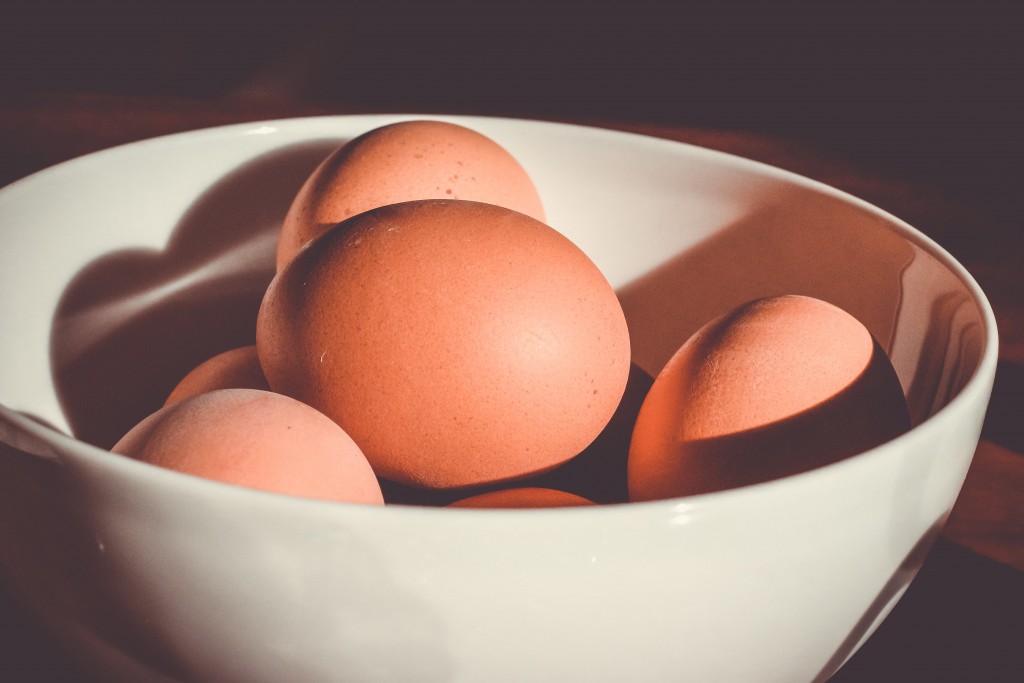
    Why should we eat eggs, what makes them such an important part of our daily food intake and how do they benefit our health?


    Chicken eggs are the most commonly consumed type of eggs. Eggs have been a diet staple for a very long time; they are affordable, easy to cook and readily within reach most of the time all while being filled with nutrients.


    How does eating eggs benefit us?


    Eggs are known to provide us with a lot of nutrients; but let’s check out the most notable ones and how they help your body.


    ●       Eggs are High in Good Cholesterol

    Sometimes seeing the word “cholesterol” can be scary- but unbeknownst to most people, there is good cholesterol and bad cholesterol. Good cholesterol has many benefits to the body, and it is good to know that eggs are a food that contain high amounts of good cholesterol.


    ●       Eggs contain Choline, a relatively unknown but very important nutrient

    The nutrient Choline might not be familiar to many people but it is very beneficial to your body. Choline helps build cell membranes and also helps in producing molecules that signal various functions of your brain.


    ●       Helps keep your muscles strong

    Eggs contain protein that helps your muscles work every day. Protein is the main building block of the body. Eggs also slow down muscle loss from age and lack of exercise. Additionally they contain an essential amino acid that helps your body make use of and metabolize the protein you consume.


    ●       Eat eggs, they help reduce the risk of heart disease

    Many low-carb diets include eggs in their meals. Studies have shown that those who eat eggs while in a low carb diet have lower risk for heart disease.


    ●       Helps your immune system

    Eggs contain vitamins A and B-12 and the nutrient selenium that helps in keeping the immune system healthy.


    ●       You will eat less

    Looking for food that can be filling but won’t break the bank? Eating eggs can help you feel fuller. The protein in eggs fills you up and can make you feel full longer. Make sure to also include sides like a slice of bread complete with a few vegetables and seasonings for a more enjoyable eating experience.


    ●       Energizes you for the day

    Ever wondered why eggs are a staple to breakfast meals? It’s because they contain the necessary vitamins and minerals to produce energy in your body to function efficiently and optimally throughout the day.


    ●       Eggs help improve eyesight

    Eggs have the nutrients lutein and zeaxanthin that can help prevent age-related blindness. Those antioxidants also protect your eyes from harmful sunlight.


    ●       Sharpens brain performance

    Vitamin D is hard to get from food but luckily, eggs can provide this very targeted nutrient that can help brain development by allowing the neurons inside it communicate.


    ●       Eat eggs, they are inexpensive

    Eggs are readily available everywhere. Besides being filling and healthy, eggs are one’s go-to food whenever a sudden attack of hunger strikes.


    How would you like to eat your eggs?


    Here are a few ways to cook an egg that could be to your liking. Do you want it to be as healthy as possible or do you want it partnered with something else?


    ●       Sunny side up – This is a classic way to cook an egg. Just fry it until you reach your preferred consistency. Keep the yolk slightly runny and dip your toast in the yolk for a tastier experience.

    ●       Scrambled – So far, the easiest one to cook your eggs. Break the egg and move it around until it’s cooked the way you want it to.

    ●       Omelette – This one’s a bit harder to master but you can definitely play around with it. You can put your favorite toppings or fillings to add more flavor to your dish.

    ●       Boiled/Poached – If you want a much healthier way of eating eggs, this is the way to go because it doesn’t need to be cooked in oil.


    Get to know eggs better!

    ●       Most large eggs contain 212 mg of cholesterol and while that sounds intimidating because it’s more than what most food have, it’s not as bad as it sounds. Eggs give you good cholesterol while helping your body with the bad cholesterol as well.

    ●       Pastured eggs are more nutritious than your average egg. Remember to also eat the yolks since it stores most of the nutrition your body needs.

    ●       Studies have found that 3 whole eggs per day is an acceptable amount for people that don’t have health issues.

    Finally, eat eggs because they are good for you!

    Follow UsFacebooktwitterrssyoutubeinstagram
  • Defining Nutrition is Not Always Easy to Do

    Defining Nutrition is more difficult than it appears to be.

    Defining Nutrition is Not Always Easy to Do
    Engin_Akyurt / Pixabay

    To get all the nutrition you need on a daily basis. Are you really making the effort, though? A great exercise is to track your food intake for a week.

    First of all, do this and see how your outcome stacks up against suggestions for nutrition.

    You might be (unpleasantly) surprised at the outcome, however you could take it as a great opportunity to make positive changes.

    Consequently, measure your diet against the suggested food pyramid, how well are you doing? Defining nutrition for most resides in the outcome.

    How do you look? How do you feel? Are you happy with your weight?

    Most of all if you know that you need a combination of carbohydrates, fats, and proteins to be able to function, then it becomes much easier.

    Your needs include:

    • Vitamins: A, B, C, K, and others.
    • Minerals: iron, sodium, calcium, magnesium, potassium, phosphorus, iodine, zinc, and others.
    • Protein, fats, fiber

    Tracking your nutrition for a week with your typical diet can demonstrate where you are lacking in terms of meeting the definition of nutrition.

    Almost everyone has a handful of go-to meals that they repeatedly eat out of habit, out of culture, and out of desire. Once you look at a typical week, it could reveal several things:

    • Deficiencies in specific vitamins and minerals.
    • Excess amounts of a particular area, such as a really high fat ratio.
    • Low ratios, such as low protein, but very high carbohydrates.

    How do you track if you’re meeting the definition of nutrition? There are many free calorie counting products (Fitday, MyFitnessPal, and others) These can help you track your calories, your exercise (for calories burned), and your nutrition levels.

    Defining Nutrition
    paddy3214 / Pixabay

    Probably you will determine that you aren’t getting enough vitamin K, you can look up foods rich in vitamin K and adjust your diet. Incidentally, a lot of people find that this is an area they have difficulty in meeting these requirements. Broccoli, cabbage, asparagus, celery, okra, seaweed, and some beans can help in this area.

    If you can see that you’ve got a problem meeting the daily requirements for calcium. Regardless of whether you don’t consume enough dairy, or because you’re lactose intolerant.

    Probably you could make a concerted effort to increase your calcium intake and / or take a supplement. (Supplements can be very effective but it’s always advisable to do your best to get your nutrition through food wherever possible).

    Defining nutrition and keeping it in mind with meal planning is wise and can help you get more variety into your diet.

    Therefore, the added benefit of working hard at doing this is that it will result in your starting to weed out the less than healthy items that dominate your diet today.

    Most of all, it will ultimately positively improve your wellness levels and could result in weight loss as well.

    Finally, defining nutrition becomes very important if you are to succeed at loosing weight. Do it now!

    Follow UsFacebooktwitterrssyoutubeinstagram
  • Low Calorie Diet – Tips for Success

    Low Calorie Diet – A Good Way to reach your goal

    Low Calorie Diet
    naturalpastels / Pixabay

    Lowering your calories can help you lose weight, that is absolutely certain. But be careful with a low calorie diet. Some people don’t do it carefully and put themselves at risk for health issues as well as failure..

    • Too low of a caloric intake and you’ll put your health at risk. You will feel faint and listless and not only is this unhealthy but this can lead to falling off the diet wagon as well as making it difficult to function. You want to lose weight but you don’t want to lose muscle mass.
    • Be sure you’re eating the right amount of food along with the right types of food.
    • Too low and you’ll slow down your metabolism. If your body thinks it’s starving it’ll start hoarding calories.
    • You need to be sure you’re getting a good mix of nutrients and a good ratio of carbohydrates and protein while you’re lowering your fat content. Don’t just pay attention to calorie counts. Look at nutritional value as well.

    Tips for Low Calorie Diet Success

    • carbohydratesCount nutrients as well as calories. Eat healthful foods, make sure you’re getting enough protein, and track your calories to make sure you’re getting enough.
    • Find out what your basic calorie requirement is and compare it to what you eat on an average day. (Using a nutrition calculator can help) This can help you figure out how many calories to cut down.
    • Look at low calorie weight loss foods and swap some out for some of your usual staples.
    • Add exercise into your day. Low calorie diet foods can help you lose weight.
    • Eat breakfast. This will start your metabolism up and help your body burn calories as well as help regulate your appetite.
    • Drink plenty of water. In addition to your low calorie diet foods, drink water as it will help fill you up and doesn’t contain any calories.
    • Eat small and frequent meals that contain low calorie foods throughout the day.

    Some people try crash dieting and go too low with their low calorie diet. This is like setting yourself up for failure. Most people should be eating at least 1200-1500 calories per day and your size and lifestyle might suggest a higher caloric intake than most.

    There are plenty of low calorie diet foods out there that can help you succeed.

    Be vigilant about making informed dieting choices so that you can increase your chances of success without jeopardizing your health.

    Follow UsFacebooktwitterrssyoutubeinstagram
Translate »