Keto Diet
Compare Diet Guides · Keto Diet · Carnivore Diet · South Beach Diet · Mediterranean Diet · DASH Diet · MIND Diet · Flexitarian Diet· Gluten Free
The keto diet, short for ketogenic diet, is a very low-carbohydrate, high-fat, moderate-protein eating plan. Most versions keep net carbs around 20 to 50 grams a day so the body shifts from burning glucose to burning fat and making ketones. That state is called ketosis. Typical calorie splits are about 70 to 80 percent fat, 10 to 20 percent protein, and 5 to 10 percent carbohydrate. That is stricter on carbs than South Beach or a general low carb diet, and less extreme than a carnivore diet that drops plants entirely.
Russell Wilder at Mayo Clinic used a ketogenic diet for childhood epilepsy in the 1920s. That medical use still has the strongest evidence. For that reason, people now try a keto diet for weight loss and type 2 diabetes. Short-term trials often show faster early weight loss, lower triglycerides, and better A1C than a low-fat menu. However, the gap usually shrinks by one to two years. Long-term safety data are thinner than for Mediterranean or DASH eating.
Keto diet food list
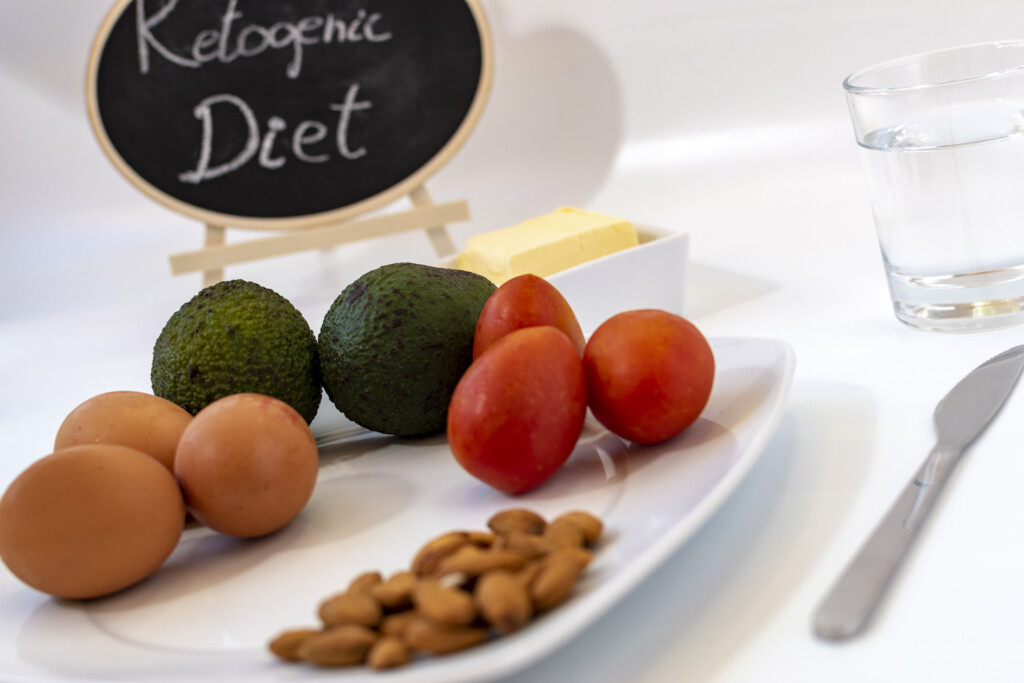
Eat: meat, poultry, fatty fish, eggs, cheese, butter, olive oil, avocado, nuts and seeds in measured amounts, and non-starchy vegetables such as spinach, broccoli, cauliflower, zucchini, and salad greens. Drink water. Many people add electrolytes in week one.
Limit or skip: bread, rice, pasta, cereal, most fruit, juice, soda, beans, potatoes, and sugary snacks. In addition, “Dirty keto” hits the carb cap with processed meats and fake desserts. “Clean keto” however, leans on olive oil, fish, eggs, and vegetables. A simple day: eggs and avocado; a large salad with salmon and olive oil; a ribeye with broccoli cooked in butter. Test strips or a blood ketone meter can confirm ketosis, but they are optional for weight-loss use.
Benefits, side effects, and who should be careful
Possible upsides: appetite control, short-term fat loss, and lower blood sugar for some people with type 2 diabetes. For that reason, The American Diabetes Association lists low-carb and very-low-carb patterns as options for adults who need better glucose control. Diabetes and blood-pressure medicines often need a clinician-supervised cut when carbs drop, or readings can fall too far.
Common early effects are the keto flu: headache, fatigue, constipation, and cramps while fluid and sodium shift. Other concerns: higher LDL cholesterol in many people, kidney stones, gout flares, nutrient gaps if vegetables stay too low, and relapse when carbs return. Do not start a keto diet if you are pregnant, breastfeeding, have a history of eating disorders, pancreatitis, or advanced kidney disease, unless a specialist directs a medical ketogenic protocol (usually for epilepsy).
Shop Keto Diet Related Products
Affiliate disclosure: Some links in this section go to commercial sites that sell keto books, meal kits, test strips, electrolytes, and pantry items. If you buy through a tagged affiliate URL, this directory may earn a commission at no extra cost to you. Educational clinic and .gov links above are not affiliate offers. People on diabetes or blood-pressure medicine need clinician oversight before a sharp carb cut.
Books and Guides
Meal delivery and kits
- Factor (keto-friendly prepared meals)
- Green Chef
- Sunbasket
- Trifecta
- Mayo Clinic Diet (includes a Healthy Keto plan)
Tests, electrolytes, and pantry
- Amazon: ketone test strips
- Amazon: blood ketone meters
- LMNT electrolytes
- Amazon: MCT oil
- Amazon: avocado oil
- Amazon: almond flour
- Amazon: keto sweeteners
- Instacart
Programs and trackers
Address
Suite 6, 6 Dalley Avenue
Pagewood
NSW 2035
Australia
Social
Follow us on social media and stay connected.