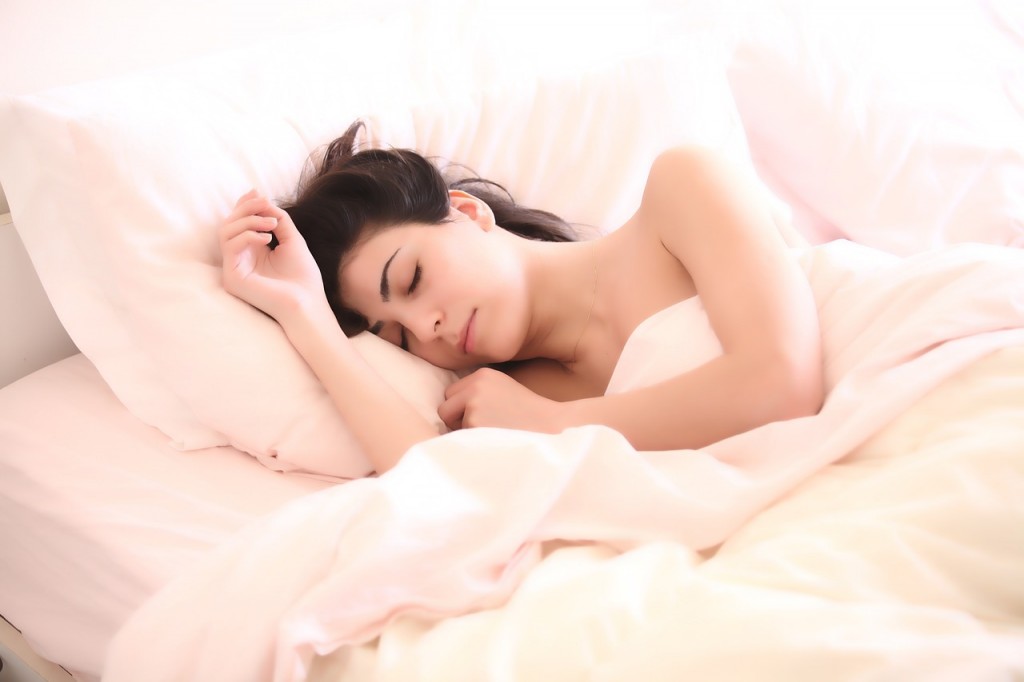
Sleeping Disorders and how Yoga Techniques for Insomnia Will Help You Overcome Them.

Sleep plays a magnificent role in the lives of people. Sleep is necessary for the development of the brain; it enables the brain to perform various tasks in day to day life. In other words, sleeping is necessary to maintain the levels of comprehensive skills like memory, creativity, verbal communication, and thinking abilities. Lack of sleep has major effects on the mind to perform various functions. Various studies have shown that due to lack of sleep, a person is unable to accomplish a task without any difficulty. Regular sleep derivations can affect mood swings, disturbed behavior and hallucinations, people often resist changes and create an impact on their judgment making abilities. Through yoga and meditation, one feels relaxed and calm, it helps them to refresh and provide sound sleeps.
What does Insomnia mean?
Insomnia is a sleeping disorder in which a person is unable to fall asleep or is unable to sleep enough so as to feel rested. The main symptoms of insomnia are as follows:
-Inability to fall asleep.
-Waking up from sleep at midnight and difficulty sleeping again.
-Wake up early in the morning.
-Not feeling fresh after sleep.
-Other behavioral symptoms such as mood swings, lack of concentration and feeling exhausted.
Types of insomnia
Type of Insomnia depends upon its occurrence. How frequently and for how long insomnia lasts depends upon the nature and type of insomnia an individual is suffering from. There are basically two types of insomnia:
-Short-term (acute) insomnia: Acute insomnia is of short duration which can last from one night to a few weeks.
-Long-term (chronic) insomnia: Chronic insomnia last for at least three nights a week for months and can also exceed.
Causes of sleeping disorders
•Having stress and depression
•Hormonal changes
•Breakups or heartburns
•Long working hours
•Major life-changing factors whether good or bad also affect the quality of life.
•Felling of left out or loneliness
•Intake of caffeine, caffeine is found not only in tea, coffee, and chocolates but also in some pain killer medicines. Consumption of alcohol may help to sleep a bit only for a few hours.
Yoga models for sound sleep:
1. Hastapadasana
This posture extends the back muscles, makes the spine supple and animates the sensory system by expanding blood supply.
2. Marjariasana
A great stretch for making the spine adaptable, the Cat stretch likewise rubs the stomach related organs and improves processing, helping you rest soundly. It likewise improves blood courses and loosens up the brain.
3. Shishuasana
A profoundly loosening up stretch for the back, this posture likewise helps quiet the sensory system and helps you in dozing calmly.
4. Baddhakonasana
This posture can assist expel with fatiguing from extended periods of time of standing or strolling. It is a decent stretch for inward thighs, crotch, and knees.
5. Viparita Karani
Rest straight on your back. Presently lift one advantage, trailed by the following, and let your feet lay on the divider Extend the arms at the edges, palms looking up.
Presently close your eyes and continue accepting full breaths as you unwind into the posture. You may utilize an eye pad over your eyes to obstruct the light and totally unwind. Remain in the posture for whatever length of time that you serenely can and afterward gradually turn out, cutting the legs down.
This is an astounding posture to ease tired legs and feet. It additionally causes the increment blood supply to the cerebrum, consequently quieting the psyche and soothing it of a mellow migraine.
Other than these yoga presents, resting in Corpse present (Shavasana) and doing Yoga Nidra after suppers help loosen up the body.
Rest specialists frequently point to the significance of making a standard evening time routine to flag your body that it’s a great opportunity to plan for rest. You may decide to incorporate Nadi Shodhan pranayama in your custom to assuage pressure and unwind into a serene rest.