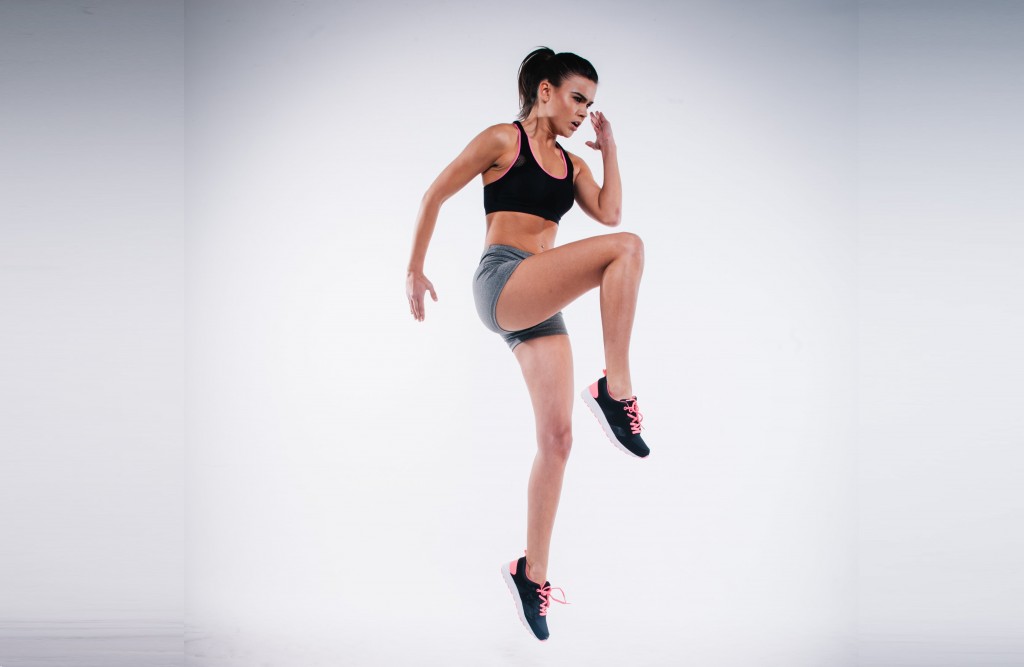
Meditation and Relaxation Exercises – You Can Do them just about Anywhere.
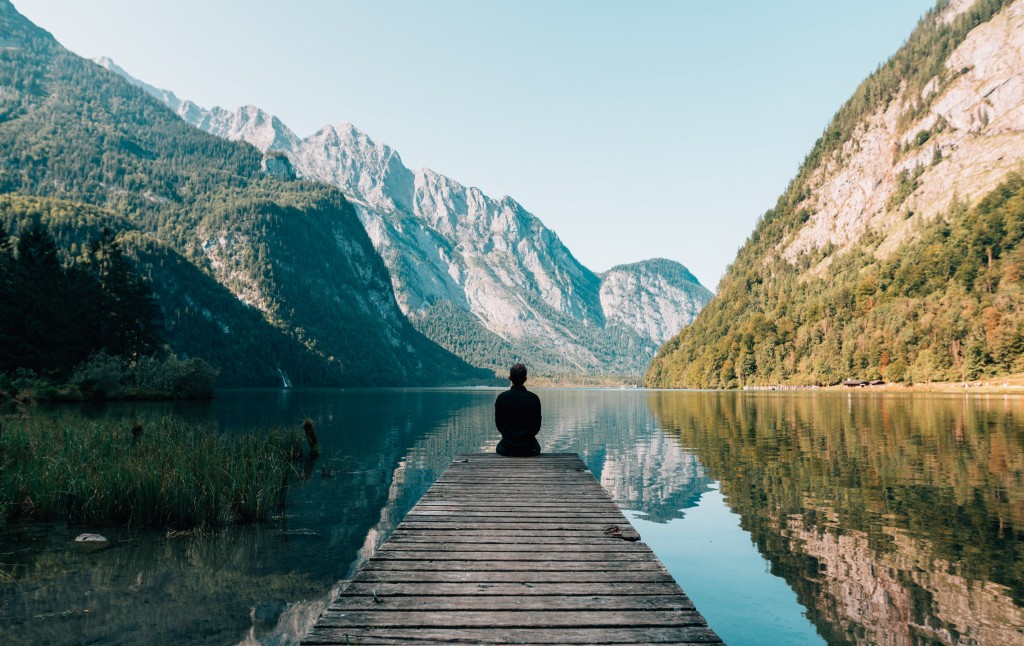
There are countless benefits to learning meditation and relaxation exercises to help deal with stress and alleviate tiredness. Meditation is a means to find peace and calm, and relax the body and mind. It is a means to look inward, detach, and focus on a few moments for one’s self. Relaxation exercises are also a means to remove tension but have the added benefit of being able to not only affect one’s emotional and mental well-being but also affect the physical body positively because of the simple movements involved.
In this day and age where people are constantly on the go; and the hustle and bustle of life takes up so much of one’s day, it is important to have the know-how to deal with these stresses any time and to make sure that the body and the mind are always in tip top shape. Additionally, there have long been connections between how stress manifests itself as illnesses of the body. Knowing how to meditate and learning and practicing simple relaxation exercises greatly help one’s well-being.
Meditation Basics
Follow these steps for a few minutes of meditation to center one’s self and de-stress.
-
Find a safe and comfortable place.
A few moments of meditation can be done just about anywhere. All that is needed is a place where one is safe and secure and comfortable. It may be a few moments in the car, a quiet bench or seat in the house, park or even the mall, or even just sitting quietly at your office desk.
-
Close your eyes and try to block out the world for a moment and focus on just one’s self.
This step takes some time to master. In the beginning it may take a few moments to consciously quiet one’s self and let go of all the distractions around, but as you practice, it gets easier and easier to do so. Try to maintain this calm for as long as possible. After some practice, it becomes easier and one can stay longer in this state.
-
Focus on your breathing
This is basically the best thing to focus on because it will always be there and present. Being conscious of the regularly and rhythm of one’s breathing helps create a sense of tranquility and peace. Learn to appreciate each moment of breathing in – feeling the breath filling one’s being. Also focus on breathing out, imagining stresses and all distractions leaving along with each breath that leaves one’s body.
-
Do this consistently for a few minutes, a few times each day
Practicing meditation daily will help improve one’s well-being and one’s ability to deal with the daily stresses and tensions throughout the day. It only takes a few moments, but its benefits are well worth it.
Relaxation exercises that complement meditation
-
Stretching
Find a safe place to spend a few moments to relax. While breathing deeply and purposefully, do the following simple stretches.
-
Head Tilts
From looking forward with one’s head straight, tilt your head from to center to one side, moving slowly for up to 8 counts. Slowly go back to the first position, breathing deeply and tilt to the other side. Move on to tilting from front to back, again focusing on the slow and purposeful movements and doing up to 8 counts.
-
Head Turns
While focusing on one’s breathing and starting from head facing forward, lead with one’s chin and slowly turn to the right, taking about 8 to 10 counts to complete the movement. Stay there for a breath or two and slowly go back to front facing position and repeat on the other side.
-
Shoulder lifts
With both arms loose and relaxed, slowly lift the shoulder’s up. Pause for a breath or two and slowly lower back to first position. Do this a few times to loosen the shoulders and back.
-
Torso Twists
Beginning from the facing front position, slowly turn to one side, twisting from the waist. Do this slowly and be conscious to only twist up to what is a comfortable stretch. Pause for a moment or two and slowly go back to 1st position. Do this on both sides slowly and purposefully.
-
Leg Flexes
Slowly and purposefully move your legs to gently stretch and relax the muscles. Start with the knees, slowly bending each knee and pulling it up towards the chest. Additionally, maintain deep breaths and feel the stretch. Slowly bring the knee back down and repeat on the other.
-
Mindful muscle flexing
While practicing meditative breathing, flex and relax the muscles to relieve them of tension. Moving up slowly from the toes do this for all muscle groups – the legs, buttocks, abdomen, fingers, hands, arms, shoulders, neck and then face; focusing on slowly flexing them and feeling them tighten, and then releasing them and feeling the tension leave.
These small movements are beneficial not only for one’s physical well-being but also to be more mindful and aware of one’s mind-body connection.
Meditation and relaxation exercises have a lot of benefits. It is not only good for the body but also for mental and emotional wellness. Those mentioned are a few ways that are simple and easy to do just about anywhere.
Meditation and Relaxation Exercises create a better sense of self and well-being.
Download this useful guide to begin your road to Wellness.
[purchase_link id=”2655″ style=”button” color=”blue” text=”Download”]