
Gluten Free Diet: Food List, Celiac Guidance, and Resource Directory
Compare Diet Guides · Keto Diet · Carnivore Diet · South Beach Diet · Mediterranean Diet · DASH Diet · MIND Diet · Flexitarian Diet
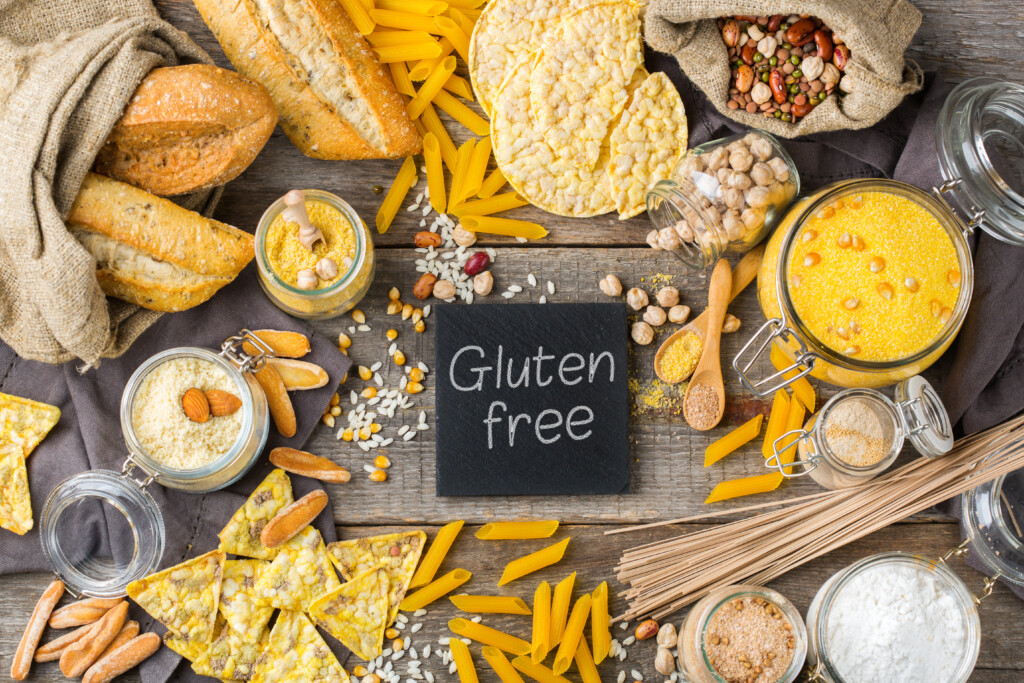
The type of diet removes the protein gluten, which is found in wheat, barley, rye, and foods made from them. It is the required treatment for celiac disease. Some people with wheat allergy or diagnosed non-celiac gluten sensitivity also use a gluten-free diet. It is not a proven weight-loss plan for people who tolerate gluten. If you suspect celiac disease, get tested before you drop gluten; tests are less accurate after the diet starts.
With this diet you can still eat fruit, vegetables, meat, fish, eggs, most dairy, beans, rice, corn, potatoes, quinoa, buckwheat, and certified gluten-free oats. Avoid bread, pasta, beer, malt, soy sauce, and many sauces unless the label is gluten-free. The FDA “gluten-free” claim means less than 20 parts per million of gluten. People with celiac disease also watch cross-contact: shared toasters, fryers, and flour dust can keep symptoms going.
How to follow this diet day to day
Read every package. Wheat starch, malt, brewer’s yeast, and “natural flavors” can hide gluten. Choose certified gluten-free bread, pasta, and oats when you want grain foods. Build meals from naturally gluten-free staples: rice bowls, grilled fish, bean chili, potato and vegetable plates, yogurt with fruit. A simple gluten free meal plan might be eggs and fruit at breakfast, a rice-and-bean bowl at lunch, and baked chicken with potatoes and salad at dinner.
Work with a clinician and, if possible, a dietitian who knows celiac care. A gluten-free diet can run low in fiber, iron, B vitamins, and calcium if it leans on processed snack swaps. Whole foods plus labeled gluten-free grains fix most of that. Pair this page with our health diets and Mediterranean diet guides for plant-forward ideas that are easy to keep gluten-free.
Shop Gluten-Free Diet Products
Affiliate disclosure: Some links in this section go to commercial sites. If you buy through a tagged URL, this directory may earn a commission at no extra cost to you. Educational links above are not affiliate offers. “Gluten-free” packaged food still needs a label check, especially if you have celiac disease.
Cook Books and Guides
- Amazon: gluten-free cookbooks
- Amazon: celiac cookbooks
- Amazon: gluten-free meal-prep books
- Bookshop.org: gluten-free titles
- Barnes & Noble: gluten-free cookbooks
Meal delivery and meal kits
- Sunbasket (gluten-free filter)
- Green Chef
- HelloFresh — use gluten-friendly options and confirm ingredients
- Factor
- Hungryroot
- CookUnity
- Daily Harvest
- Trifecta
- Fresh n’ Lean
- ModifyHealth (often used for low-FODMAP / GI-focused meals)
Grocery and certified gluten-free pantry items
- Amazon: gluten-free bread
- Amazon: gluten-free pasta
- Amazon: certified gluten-free oats
- Amazon: gluten-free flour blends
- Amazon: gluten-free tamari / soy sauce
- Amazon: gluten-free snacks
- Instacart
- Amazon Fresh
- Whole Foods Market
- Walmart: gluten-free grocery
- Thrive Market
- iHerb: gluten-free search
Kitchen tools that reduce cross-contact
- Amazon: dedicated toaster
- Amazon: color-coded cutting boards
- Amazon: air fryer
- Amazon: meal-prep containers
- Amazon: kitchen scale
Trusted Gluten-Free and Celiac Resources
- Mayo Clinic: Gluten-Free Diet
- Mayo Clinic: Celiac Disease Treatment
- NIDDK: Eating, Diet, and Nutrition for Celiac Disease
- NIDDK: Celiac Disease
- MedlinePlus: Learn About Gluten-Free Diets
- MedlinePlus: Celiac Disease Nutritional Considerations
- MedlinePlus: Celiac Disease
- Celiac Disease Foundation
- Celiac Disease Foundation: Label Reading and the FDA
- Beyond Celiac
- National Celiac Association
- Gluten Intolerance Group
- FDA: Gluten and Food Labeling
- Academy of Nutrition and Dietetics
- American Gastroenterological Association: Celiac Disease
- NHS: Coeliac Disease
- Coeliac UK
- Healthline: Gluten-Free Diet
- Medical News Today: Gluten-Free Diet
- EatingWell: Gluten-Free Recipes
Note: A gluten-free diet is medical nutrition for celiac disease and some gluten-related disorders. It is not a general slimming diet. Get tested before you change how you eat, and treat restaurant and meal-kit claims as a starting point, not a guarantee.
Address
Suite 6, 6 Dalley Avenue
Pagewood
NSW 2035
Australia
Social
Follow us on social media and stay connected.
 [purchase_link id="2608" style="button" color="blue" text="Download"]

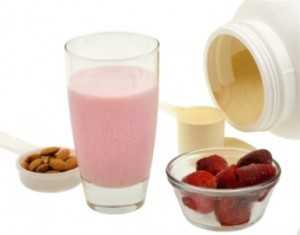 If you strive to reach a rate of 30% protein overall, this could give you favourable weight loss results as well as provide many overall muscular benefits. If you want to retain muscle tone when you lose weight, protein is highly important.
Most experts say that women in their 30’s, for example, should have about 46 grams of protein a day. If you tracked your food intake, how much would you get on average? Most people don’t get nearly enough. Most people have an overwhelming amount of carbs and too much fat and the protein section of the pie chart tends to be the slimmest.
This less than ideal ratio, along with the lack of exercise in the average person’s day, can equate to weight gain.
If you strive to reach a rate of 30% protein overall, this could give you favourable weight loss results as well as provide many overall muscular benefits. If you want to retain muscle tone when you lose weight, protein is highly important.
Most experts say that women in their 30’s, for example, should have about 46 grams of protein a day. If you tracked your food intake, how much would you get on average? Most people don’t get nearly enough. Most people have an overwhelming amount of carbs and too much fat and the protein section of the pie chart tends to be the slimmest.
This less than ideal ratio, along with the lack of exercise in the average person’s day, can equate to weight gain.