
Trigger Foods to Avoid if You Have Digestive Problems.
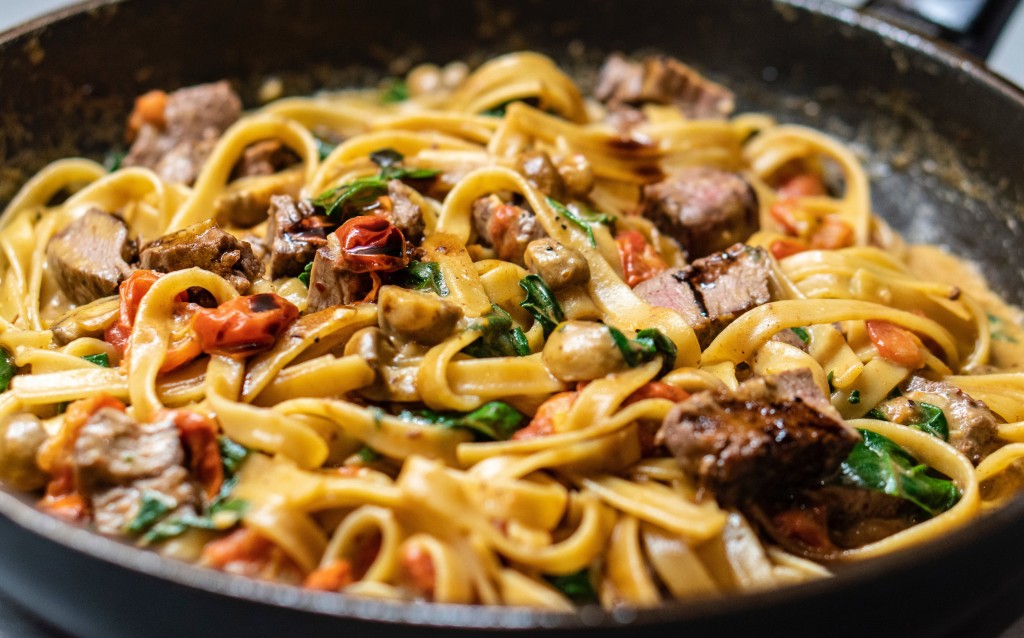
Trigger foods are foods that cause negative digestive responses. Problems such as heartburn, indigestion, abdominal pain and cramping, constipation or diarrhea are common.
People with a propensity toward digestive problems should refrain from eating them.
While each individual can come up with their own list of foods to avoid, there are food groups that are on most people’s lists:
Dairy
While eating milk and dairy products is a great way to get calcium, if you are lactose intolerant it will cause diarrhea, gas, cramps and abdominal pains.
Lactose intolerance is caused by the lack of the enzyme lactose – the enzyme needed to break down the milk sugar lactose.
Additionally, people with Crohn’s disease, ciliac disease or chemotherapy patients may become lactose intolerant due to intestinal damage.
Yogurt and hard cheeses are great substitutes because they do not contain lactose. And of course there is always lactose-free milk.
Spicy Foods
People with a sensitive stomach, irritable bowel syndrome or susceptible to chronic heartburn, should avoid spicy foods.
A digestive response from the capsaicin in peppers can range from indigestion to nausea, vomiting and diarrhea.
High Fat Foods
High fat foods include red meats, butter, creamy sauces, full-fat ice cream and fried foods. Because fat takes the longest to digest of all the macro-nutrients, it tends to stay in the digestive tract longer thus giving it more time to ferment and cause gas and bloating. People with Irritable Bowel Syndrome (IBS) especially need to limit their intake of high fat/fatty foods.
High Fiber
While fiber is good for a digestive tract, too much of it too soon can cause digestive problems of its own… in the form of gas and bloating. The right amount of fiber is 25 to 30 grams per day; people eating considerably less than this amount should slowly up the amount they are eating, giving their body time to adjust between each increase.
Sometimes digestive problems can occur if the good bacteria in the digestive tract get overridden by the bad.
To keep the “good guys” in control:
- Avoid detoxes as they usually get rid of the good bacteria.
- Don’t use antibiotics unless necessary as they kill off good bacteria.
- Eat foods with probiotics like yogurts and soy milks as they help promote good bacteria.
If you promote the growth of healthy bacteria in your gut, digestive issues will dramatically be reduced.
Listen to your digestive tract and learn how it reacts to certain types of foods. That is the clue.
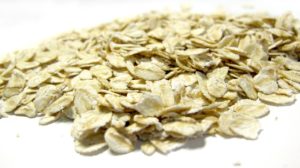
 You want to raise your HDL and lower your LDL levels. According to the Mayo Clinic, oat meal, oat bran, omega 3 fatty acids (such as several types of fish), nuts, and olive oil can help with your cholesterol levels. Plant sterols can be a great help, too, and there are foods with additive plant sterols as well as supplements available to help in this area as well. Plant sterols can block the absorption of bad cholesterol (LDL).