
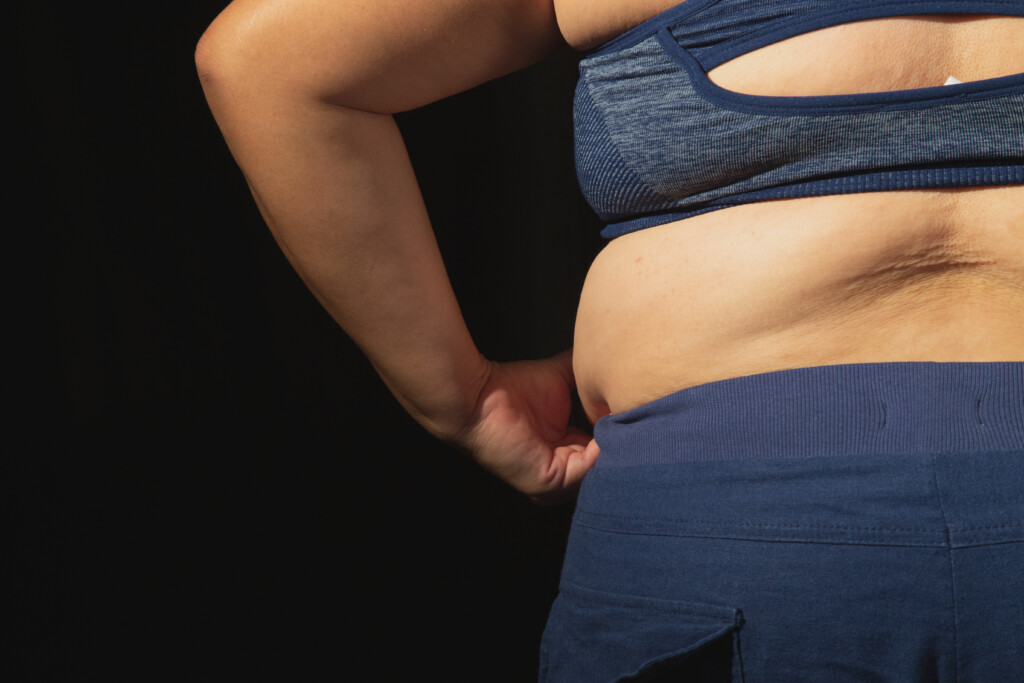
Medicines for Weight Loss
Before committing to a medical program. A clear look at prescription medications vs bariatric procedures, realistic results, trade-offs, and support products people often use alongside medical care must be considered.
Obesity is a chronic medical condition, not a character flaw. For many people, diet and exercise alone do not produce enough lasting change, especially when hunger hormones, insulin resistance, sleep apnea, joint pain, or genetics keep pulling weight back up. That is why clinicians now treat excess weight with the same seriousness they give to high blood pressure or type 2 diabetes: lifestyle first, then medication, then surgery when the health risk is high and other options have not been enough.
Two tools dominate modern care. The first is medication, led by GLP-1 and dual-agonist drugs that quiet appetite and slow stomach emptying. The second is bariatric surgery, which physically limits how much food the stomach can hold and, in some operations, how many calories the intestine absorbs. Neither is a shortcut. Both work best when protein intake, strength training, sleep, and follow-up care stay in place after the scale starts moving.
Prescription medicines for weight loss
In the United States, long-term prescription options include semaglutide (Wegovy, including a higher-dose injection and an oral tablet), tirzepatide (Zepbound), orforglipron (Foundayo, an oral GLP-1 approved in 2026), liraglutide (Saxenda), phentermine-topiramate (Qsymia), naltrexone-bupropion (Contrave), and orlistat (Xenical or over-the-counter Alli). Ozempic and Mounjaro contain the same active ingredients as Wegovy and Zepbound but are labeled for type 2 diabetes; doctors sometimes use them off-label when coverage or supply makes that the available path.
GLP-1 and GIP/GLP-1 medicines copy gut hormones that signal fullness to the brain. In large trials, weekly tirzepatide has produced average losses around 15% to 21% of starting body weight, depending on dose and study. Semaglutide injections typically produce mid-teens percentage loss at the standard 2.4 mg dose, with higher-dose Wegovy reporting larger averages in later studies. Oral versions are convenient for people who refuse injections, though they still cause gastrointestinal side effects and require consistent daily use. Older pills such as Qsymia or Contrave usually produce more modest loss—often in the 5% to 10% range—but cost less and remain useful when GLP-1 drugs are not tolerated or covered.
These drugs do not work equally for everyone. Roughly one in ten people are “non-responders,” losing less than 5% of body weight. Others lose muscle as well as fat if they eat too little protein or skip resistance training. Many regain some weight after stopping, because appetite returns. That is why most guidelines treat the medicines as long-term therapy, similar to a statin, not a three-month crash course.
Pros of weight-loss medicines
- No operating room, general anesthesia, or permanent change to the stomach.
- Average weight loss with modern GLP-1 or dual-agonist drugs is clinically large, often 10% to 20% of body weight when the drug is continued.
- Some agents have extra benefits: Wegovy has evidence for lower cardiovascular events; Zepbound is also approved for obstructive sleep apnea in adults with obesity.
- Treatment can be paused, switched, or stopped if side effects appear.
- Oral options now exist for people who cannot or will not inject.
Cons of weight-loss medicines
- Nausea, vomiting, constipation, diarrhea, and fatigue are common, especially during dose increases.
- Cost and insurance coverage remain uneven; cash prices can still run hundreds of dollars a month.
- Weight often returns if the drug is stopped without a strong maintenance plan.
- Muscle loss and nutrient gaps can occur when appetite drops too far.
- Rare but serious risks include gallbladder disease, pancreatitis, and a boxed warning about thyroid C-cell tumors seen in animal studies. They are not for everyone, including many people with a personal or family history of medullary thyroid cancer or MEN2.
How to choose between medicine and surgery
The better option is the one that matches your health risk, not the one that looks fastest on social media. Medicines make sense when you want to avoid an operation, when BMI is in a range where surgery is not yet recommended, or when you need a reversible first step. Surgery makes sense when weight-related disease is already damaging organs, when previous medication trials failed or could not be afforded long term, or when a clinician expects that 25% or more total body weight loss is needed for a meaningful medical change.
A growing number of patients use both: medication after a plateau, or a GLP-1 drug to reduce surgical risk before an operation. That combination should be planned, not improvised. Rapid loss from either path can trigger gallstones, hair shedding, and loss of lean mass. A registered dietitian who understands obesity care is as important as the prescription or the surgeon.
Useful products that support medical weight loss
These are supportive tools, not substitutes for a doctor. Links go to major retailers so you can compare current prices. Replace the URLs with your own affiliate tags if you publish this page commercially. Always check labels if you have food allergies or take medicines that interact with supplements.
1. High-protein shake for appetite control and muscle protection
GLP-1 drugs and surgery both cut calories hard. A ready-to-drink shake with about 30 grams of protein and low sugar helps hit protein targets when solid food feels impossible. Premier Protein is widely available and easy to keep at work.
See Premier Protein shakes2. Whey or plant protein powder
Powder is cheaper per serving than cartons and mixes into yogurt, oatmeal, or water. Look for 20–30 grams of protein and minimal added sugar. Useful after surgery once your program clears protein supplements.
Compare protein powders3. Smart body-composition scale
Weekly weigh-ins beat daily obsession. A scale that estimates muscle and fat is more useful than weight alone while you are losing quickly on medication or after an operation.
Browse smart scales4. Food scale and measuring cups
Portion drift is the quiet reason plateaus happen. A simple digital kitchen scale makes protein servings honest, which matters when your stomach is smaller or your appetite is medicated down.
Find a kitchen scale5. Resistance bands or adjustable dumbbells
Strength work is the main defense against muscle loss. Bands travel well and are joint-friendly if you are still sore after surgery or new to lifting.
See resistance band sets6. Bariatric multivitamin
After sleeve or bypass, a standard drugstore multi is often not enough. Programs usually specify a bariatric-formulated vitamin with higher B12, iron, and vitamin D. Confirm the brand with your surgical team before you buy.
View bariatric vitamins7. Electrolyte packets without much sugar
Nausea, low intake, and extra bathroom trips on GLP-1 drugs can leave you depleted. Sugar-free electrolyte sticks are easier to keep down than sports drinks.
Shop electrolyte packets8. Fitness tracker or simple step counter
You do not need an elite training plan. You need consistent walking as energy returns. A watch or band that nags you to move is often worth more than another diet book.
Compare fitness trackersThe bottom line
Medicines can produce striking weight loss without an incision, but they work only while you take them and they demand patience with side effects and cost. Surgery can deliver larger, more durable change and a powerful effect on diabetes, but it is still surgery: irreversible anatomy, vitamin dependence, and a recovery you cannot click away. The winning plan is usually unglamorous. Eat enough protein. Lift something. Sleep. Keep the follow-up appointments. Use tools that make those habits easier. Then let your clinician match the intensity of treatment to the intensity of the medical risk in front of you.