
Carnivore Diet
Compare Diet Guides · Keto Diet · Carnivore Diet · South Beach Diet · Mediterranean Diet · DASH Diet · MIND Diet · Flexitarian Diet· Gluten Free
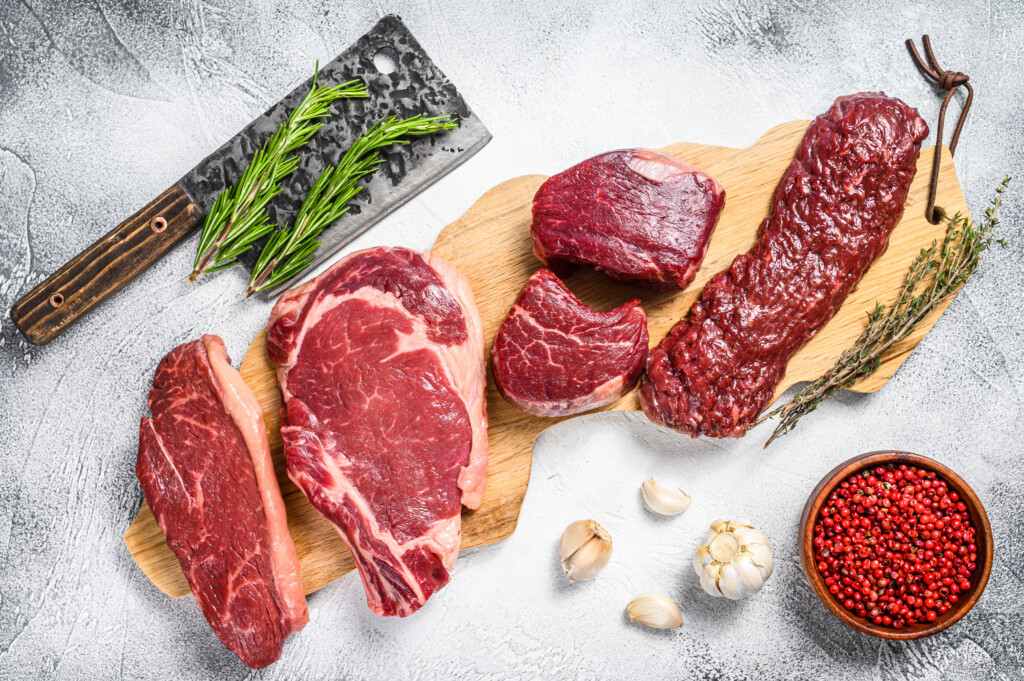
The carnivore diet is an all-animal eating pattern. Meals come from meat, poultry, fish, eggs, and sometimes butter, hard cheese, or heavy cream. Remember, plants are out: no fruit, vegetables, grains, legumes, so are nuts, or seeds. Fans call it a zero carb diet or an extreme form of keto. Stricter versions such as the lion diet limit food to ruminant meat, salt, and water.
Promoters including Shawn Baker and Paul Saladino say a zero carb diet can cut weight, quiet autoimmune symptoms, and steady energy by removing fiber and plant compounds they view as irritants. Those claims are mostly anecdotal. A 2021 survey of about 2,000 self-selected carnivore dieters reported high satisfaction and lower BMI, but lipids were mixed and LDL cholesterol was often high. That study did not have a control group.
Carnivore diet food list
Typical plates: ribeye, ground beef, lamb, pork, chicken, salmon, sardines, shrimp, eggs, liver, bone broth, tallow, ghee, and salt. Additionally, some people add coffee or tea; others do not. Organ meats are used to raise vitamin A, B12, and iron.
A sample day is eggs and bacon; a burger with no bun cooked in tallow; a steak and salmon; jerky or leftover meat as a snack. Drink water. Electrolyte mixes are common in the first weeks while carbs drop and fluid shifts.
Compare this diet vs keto if you still want non-starchy vegetables and avocado. Compare it vs Mediterranean or DASH if you want fiber, potassium from plants, and a pattern clinics actually endorse for heart health. Carnivore vs South Beach is also useful: South Beach brings fruit and whole grains back after Phase 1. Carnivore never does.
What the evidence and clinics say
Short-term weight loss can happen because the plan is very low in carbohydrate and highly filling. Ketosis may blunt appetite. A 2026 scoping review of nine human papers found possible short-term drops in weight and some inflammatory markers, plus real gaps: little fiber, low vitamin C, calcium, magnesium, and iodine in many menus, and higher LDL and total cholesterol.
Harvard Health and Cleveland Clinic advise against using a carnivore diet as a long-term plan. However, the risks they flag include constipation, kidney stones, gout, bone loss over time, and extra saturated fat.
If you still try it, treat it as an experiment, not a lifetime prescription. to start, get baseline labs (lipids, kidney function, electrolytes). People with kidney disease, a history of gout, high LDL, pregnancy, or disordered eating should not start an all-meat diet without a clinician. Reintroduce plants if energy, digestion, or cholesterol worsen.
Shop Carnivore Diet Related Products
Affiliate disclosure: Some links in this section go to commercial sites that sell carnivore books, meat subscriptions, electrolytes, and cookware. If you buy through a tagged affiliate URL, this directory may earn a commission at no extra cost to you. Educational clinic and .gov links above are not affiliate offers. An all-meat menu is highly restrictive; get medical advice before you start, especially if you have high cholesterol, kidney disease, or gout.
Carnivore Diet Books
- Amazon: carnivore diet books
- The Carnivore Diet (Shawn Baker)
- The Carnivore Code (Paul Saladino)
- Amazon: carnivore diet cookbooks
- Bookshop.org: carnivore titles
Meat delivery and butcher boxes
Electrolytes, fats, and kitchen tools
- LMNT electrolytes
- Redmond Real Salt
- Amazon: beef tallow
- Amazon: cast-iron skillets
- Amazon: meat thermometers
- Amazon: bone broth
- Amazon: organ-meat supplements
Trackers
- Cronometer (watch sodium, electrolytes, and micronutrients)
- MyFitnessPal
Carnivore Diet Resources
The 50 links below mix clinic explainers, PubMed papers, heart-health guidance, and primary carnivore sites so you can read both the marketing and the medical caveats.
- Cleveland Clinic: Is the Carnivore Diet Healthy?
- Harvard Health: What Is the Carnivore Diet?
- Healthline: Carnivore Diet Food List, Benefits, and Risks
- Healthline: Why Experts Question an All-Meat Diet
- Verywell Health: Carnivore Diet Risks and Warnings
- PubMed: Carnivore Diet Scoping Review (2026)
- PMC: Carnivore Diet Scoping Review Full Text
- PubMed: Lennerz et al. Survey of 2,029 Carnivore Dieters
- PubMed: Protein Paradox, Carnivore Diet, and Longevity
- New York Times: Meet the Men Who Eat Meat
- Mayo Clinic: Low-Carb Diet
- Mayo Clinic: Atkins Diet
Note: A carnivore diet can produce short-term weight loss for some people, but long-term safety is not established and major clinics do not recommend it as a default eating pattern. Product mentions are for shopping convenience; they are not medical endorsements.
Address
Suite 6, 6 Dalley Avenue
Pagewood
NSW 2035
Australia
Social
Follow us on social media and stay connected.